
Introduction
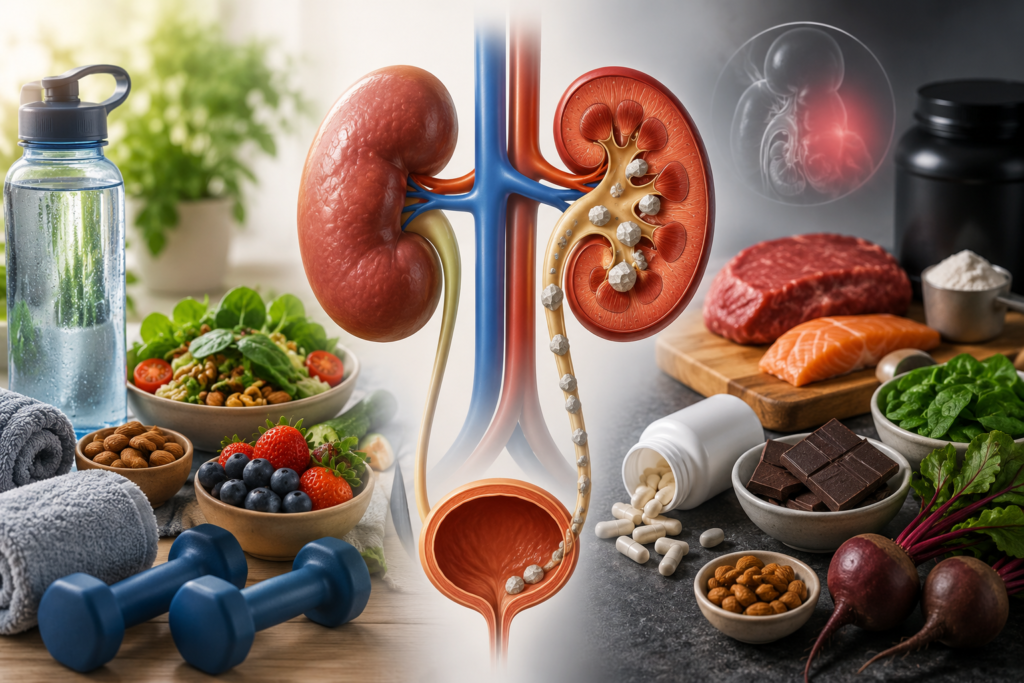
When it comes to maintaining good health, most people focus on eating nutritious foods, exercising regularly, and staying hydrated. While these habits are generally beneficial, some seemingly healthy choices can unintentionally increase the risk of developing kidney stones. These hard mineral deposits form in the kidneys and can cause severe pain, discomfort, and urinary complications. Understanding how certain health-conscious habits may contribute to kidney stone formation can help you make smarter lifestyle decisions.
What Are Kidney Stones?
Kidney stones are solid masses made of minerals and salts that develop inside the kidneys. They can vary in size and may remain in the kidney or travel through the urinary tract. Common types include calcium oxalate stones, uric acid stones, and struvite stones. Factors such as dehydration, dietary choices, genetics, and certain medical conditions can increase the likelihood of stone formation.
Healthy Habits That May Increase Kidney Stone Risk
1. Overconsumption of High-Oxalate “Superfoods”
Many nutrient-rich foods are celebrated for their health benefits, but some contain high levels of oxalates, compounds that can bind with calcium and form kidney stones.
Examples include:
- Spinach
- Beetroot
- Nuts and nut butter
- Sweet potatoes
- Dark chocolate
While these foods are healthy, consuming them excessively without balancing calcium intake may increase the risk of calcium oxalate stones.
2. Excessive Protein Intake
High-protein diets, especially those rich in animal protein, are popular among fitness enthusiasts and individuals pursuing weight-loss goals.
Excess protein can:
- Increase calcium excretion through urine
- Raise uric acid levels
- Reduce citrate, a natural stone-preventing substance
Over time, these changes may create an environment that encourages kidney stone formation.
3. Drinking Too Many Vitamin Supplements
Many people take supplements to support overall wellness. However, excessive supplementation can sometimes do more harm than good.
Particular concerns include:
- High doses of vitamin C, which can increase oxalate levels
- Excess vitamin D, which may raise calcium levels in urine
Unless prescribed by a healthcare professional, it is important to avoid unnecessary megadoses of supplements.
4. Not Drinking Enough Water During Exercise
Regular exercise is excellent for health, but intense workouts can lead to significant fluid loss through sweat. If this lost fluid is not replaced adequately, urine becomes more concentrated, increasing the risk of stone formation.
Athletes and active individuals should pay close attention to hydration before, during, and after exercise.
How to Protect Your Kidneys
Maintain a Balanced Diet
Rather than eliminating healthy foods, focus on moderation. Pair high-oxalate foods with calcium-rich foods to reduce oxalate absorption and support kidney health.
Stay Properly Hydrated
Drinking enough water throughout the day is one of the most effective ways to prevent kidney stones. Adequate hydration helps dilute minerals and reduces the likelihood of crystal formation.
Use Supplements Wisely
Take vitamins and nutritional supplements only when necessary and according to professional guidance. More is not always better.
Monitor Protein Intake
Ensure your protein consumption aligns with your body’s needs. Including plant-based protein sources and maintaining dietary balance can help reduce risk.
Conclusion
Healthy habits are essential for overall well-being, but even beneficial practices can have unintended consequences when taken to extremes. Overconsumption of high-oxalate foods, excessive protein intake, unnecessary supplementation, and inadequate hydration during exercise can all contribute to kidney stone formation. By maintaining balance, staying hydrated, and making informed dietary choices, you can continue pursuing a healthy lifestyle while protecting your kidneys from unnecessary risk.