
Introduction
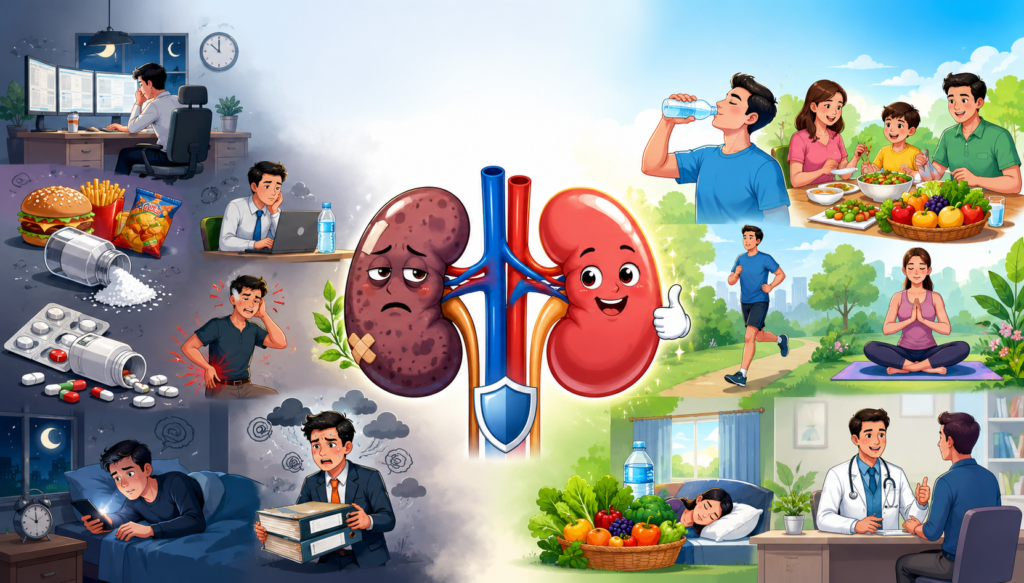
In today’s fast-paced world, convenience often takes priority over health. Long working hours, processed foods, inadequate hydration, lack of physical activity, and increased stress have become common parts of modern living. While these habits may seem harmless in the short term, they can gradually impact one of the body’s most vital organs—the kidneys.
The kidneys play a crucial role in filtering waste, balancing fluids, regulating blood pressure, and maintaining overall health. Unfortunately, many lifestyle choices can silently damage kidney function over time, increasing the risk of chronic kidney disease and other complications.
The Hidden Impact of Poor Hydration
One of the most common lifestyle mistakes is not drinking enough water. Busy schedules often lead people to ignore their body’s hydration needs.
Insufficient water intake can make it harder for the kidneys to remove waste products efficiently. Over time, dehydration may contribute to the formation of kidney stones and increase the burden on kidney function. Staying adequately hydrated helps support proper filtration and overall kidney health.
Processed Foods and Excessive Salt Consumption
Modern diets frequently include packaged snacks, fast food, and processed meals that are high in sodium. Excessive salt intake can raise blood pressure, which is one of the leading risk factors for kidney damage.
When blood pressure remains elevated for long periods, the delicate blood vessels in the kidneys can become damaged, reducing their ability to filter waste effectively. Choosing fresh, balanced meals and limiting processed foods can significantly benefit kidney health.
Sedentary Lifestyle and Weight Gain
Technology-driven lifestyles often involve prolonged sitting and reduced physical activity. Lack of exercise can contribute to obesity, diabetes, and hypertension—three major conditions linked to kidney disease.
Regular physical activity helps maintain healthy blood pressure, supports weight management, and improves overall metabolic health. Even moderate exercise such as walking, cycling, or yoga can make a positive difference.
The Role of Stress and Poor Sleep
Chronic stress and inadequate sleep have become increasingly common in modern society. While their effects on mental health are widely discussed, they can also indirectly impact kidney health.
Persistent stress may contribute to unhealthy behaviors, elevated blood pressure, and hormonal imbalances. Similarly, poor sleep quality can affect the body’s ability to regulate essential functions, potentially increasing the risk of chronic health conditions that strain the kidneys.
Overuse of Medications and Self-Medication
Many people frequently use pain relievers and other medications without medical guidance. Certain medicines, when used excessively or improperly, can place additional stress on the kidneys.
It is important to follow prescribed dosages and seek professional advice before taking medications regularly, especially for long-term use.
Protecting Your Kidney Health
Maintaining healthy kidneys does not require drastic changes. Small, consistent lifestyle improvements can have a significant impact:
- Drink adequate water daily.
- Limit processed and high-sodium foods.
- Stay physically active.
- Maintain a healthy weight.
- Manage stress effectively.
- Prioritize quality sleep.
- Avoid unnecessary self-medication.
- Schedule regular health check-ups.
Conclusion
Modern lifestyles offer convenience, but they can also create hidden risks for kidney health. Everyday choices related to diet, hydration, activity levels, and stress management play a crucial role in maintaining healthy kidney function. By adopting healthier habits and making informed decisions, individuals can help protect their kidneys and support long-term overall well-being.