
Introduction
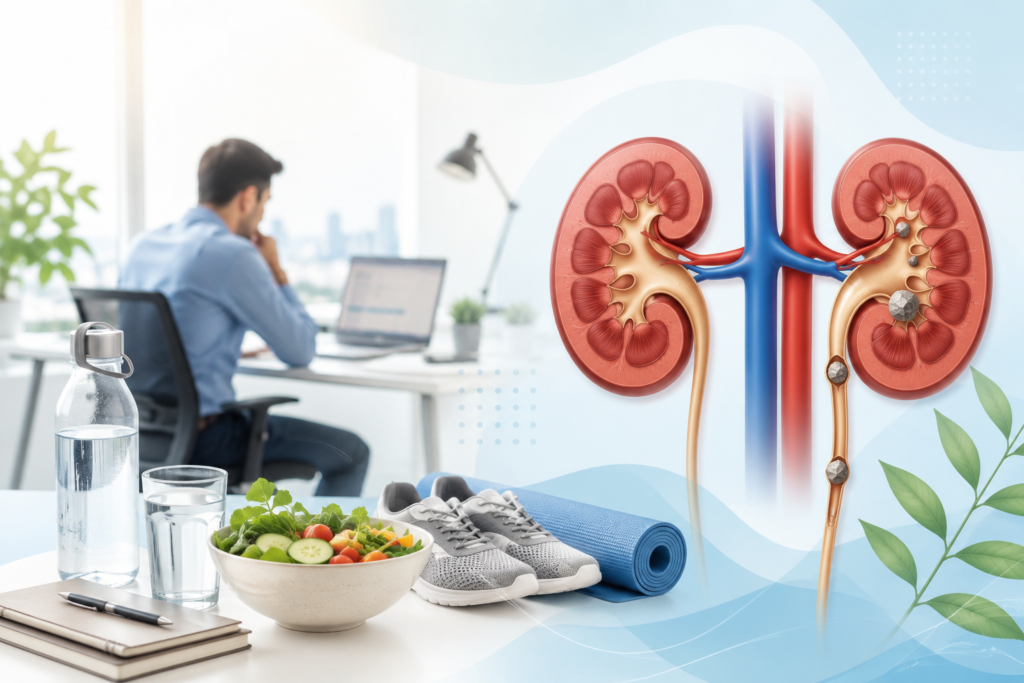
Kidney stones are becoming increasingly common among working professionals. While these painful mineral deposits can affect anyone, modern workplace habits and demanding schedules are contributing to a noticeable rise in cases among office workers, entrepreneurs, and corporate executives. Understanding the reasons behind this trend can help professionals take preventive measures and protect their kidney health.
What Are Kidney Stones?
Kidney stones are hard deposits made of minerals and salts that form inside the kidneys. They develop when urine becomes concentrated, allowing minerals to crystallize and stick together. Depending on their size, kidney stones can cause severe pain, urinary problems, nausea, and even complications if left untreated.
The Role of Dehydration in Busy Work Schedules
Skipping Water Throughout the Day
One of the leading causes of kidney stones is inadequate hydration. Many professionals become so focused on meetings, deadlines, and tasks that they forget to drink enough water.
When the body does not receive sufficient fluids, urine becomes more concentrated. This creates an ideal environment for minerals such as calcium and uric acid to form crystals, increasing the risk of stone formation.
Excessive Consumption of Caffeinated Beverages
Coffee, tea, and energy drinks are often relied upon to maintain productivity. While moderate consumption is generally safe, replacing water with caffeinated beverages can contribute to dehydration, especially when overall fluid intake remains low.
Sedentary Lifestyles and Their Impact
Long Hours of Sitting
Modern jobs often require professionals to spend extended periods at desks. A sedentary lifestyle can affect the body’s metabolism and calcium regulation, potentially increasing the likelihood of kidney stone development.
Lack of Regular Exercise
Physical activity helps maintain overall health, including proper kidney function. Unfortunately, busy schedules often leave little time for exercise, further contributing to health risks associated with stone formation.
Unhealthy Dietary Habits
Dependence on Processed Foods
Fast food, packaged snacks, and takeout meals are common choices for professionals with limited time. These foods frequently contain high levels of sodium, which can increase calcium levels in urine and promote kidney stone formation.
Irregular Eating Patterns
Skipping meals or eating at inconsistent times may also affect metabolism and overall health. Poor dietary habits can indirectly contribute to conditions that increase the risk of kidney stones.
Stress and Its Hidden Effects
Chronic workplace stress can influence hydration habits, dietary choices, and overall lifestyle. Stress may encourage unhealthy eating, inadequate sleep, and reduced self-care, all of which can negatively affect kidney health over time.
Preventing Kidney Stones in a Busy Lifestyle
Professionals can significantly reduce their risk by adopting simple habits:
- Drink adequate water throughout the day.
- Limit excessive intake of caffeinated and sugary drinks.
- Choose fresh, balanced meals over processed foods.
- Take short breaks to walk and move regularly.
- Maintain a consistent exercise routine.
- Schedule regular health check-ups.
Conclusion
The increasing prevalence of kidney stones among busy professionals is closely linked to modern work habits, including dehydration, sedentary routines, poor dietary choices, and chronic stress. By making conscious lifestyle adjustments and prioritizing hydration and overall wellness, professionals can lower their risk and maintain better kidney health despite demanding schedules.