
Introduction
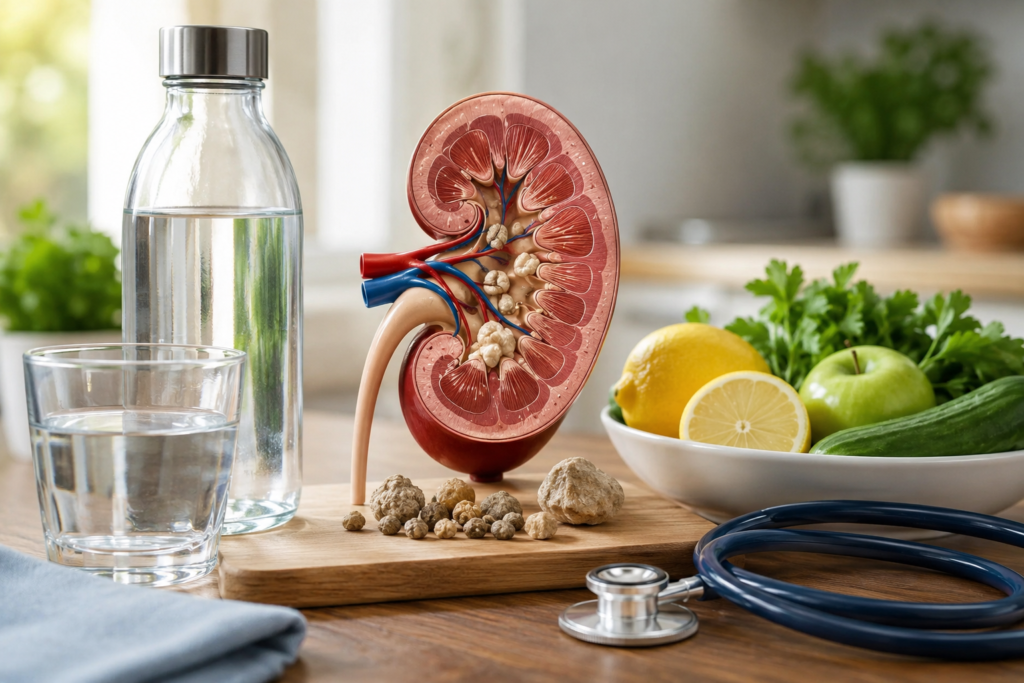
For years, the most common advice for preventing kidney stones has been simple: drink more water. While staying hydrated remains one of the most effective ways to reduce the risk of kidney stones, recent research suggests that hydration alone may not be enough. Kidney stone prevention requires a more comprehensive approach that includes dietary choices, lifestyle habits, and awareness of individual risk factors.
Understanding the latest science can help you take smarter steps toward protecting your kidney health.
Why Do Kidney Stones Form?
Kidney stones develop when minerals and salts in the urine become concentrated and crystallize. These crystals can grow into hard deposits that may cause severe pain, urinary problems, and, in some cases, complications requiring medical treatment.
Common factors that contribute to kidney stone formation include:
- Inadequate fluid intake
- High sodium consumption
- Excessive intake of animal protein
- Obesity and sedentary lifestyle
- Family history of kidney stones
- Certain medical conditions and medications
Hydration: Necessary but Not Sufficient
Drinking enough water helps dilute urine and reduces the concentration of stone-forming substances. However, experts now emphasize that simply carrying a water bottle does not guarantee effective prevention.
Factors such as diet, urine composition, and overall health also play significant roles. Even individuals who drink plenty of water can develop kidney stones if other risk factors remain unaddressed.
The New Science of Prevention
Modern research highlights several additional strategies that can significantly reduce the risk of kidney stones.
1. Reduce Excess Sodium Intake
A high-salt diet increases calcium levels in urine, which can promote stone formation.
Tips:
- Limit processed and packaged foods
- Check nutrition labels for sodium content
- Use herbs and spices instead of excess salt
2. Maintain Adequate Calcium Intake
Contrary to popular belief, avoiding calcium is not always beneficial. Dietary calcium can actually help prevent certain types of kidney stones by binding with oxalates in the digestive tract.
Good sources include:
- Milk and yogurt
- Cheese
- Calcium-fortified foods
3. Eat More Fruits and Vegetables
Many fruits and vegetables contain potassium, magnesium, and citrate, which help reduce stone formation.
Beneficial options include:
- Citrus fruits
- Cucumbers
- Watermelon
- Leafy greens
4. Stay Physically Active
Regular exercise supports overall metabolic health and helps maintain a healthy body weight, both of which can lower kidney stone risk.
Signs You Shouldn’t Ignore
Seek medical attention if you experience:
- Severe pain in the back or side
- Blood in the urine
- Painful urination
- Nausea or vomiting
- Frequent urinary infections
Early diagnosis can prevent complications and improve treatment outcomes.
Conclusion
While hydration remains an essential part of kidney stone prevention, today’s science shows that a water bottle alone is not enough. A balanced diet, reduced sodium intake, adequate calcium consumption, regular physical activity, and timely medical evaluation are all important components of a comprehensive prevention strategy. By adopting a holistic approach, you can significantly reduce your risk of kidney stones and support long-term kidney health.