
Introduction
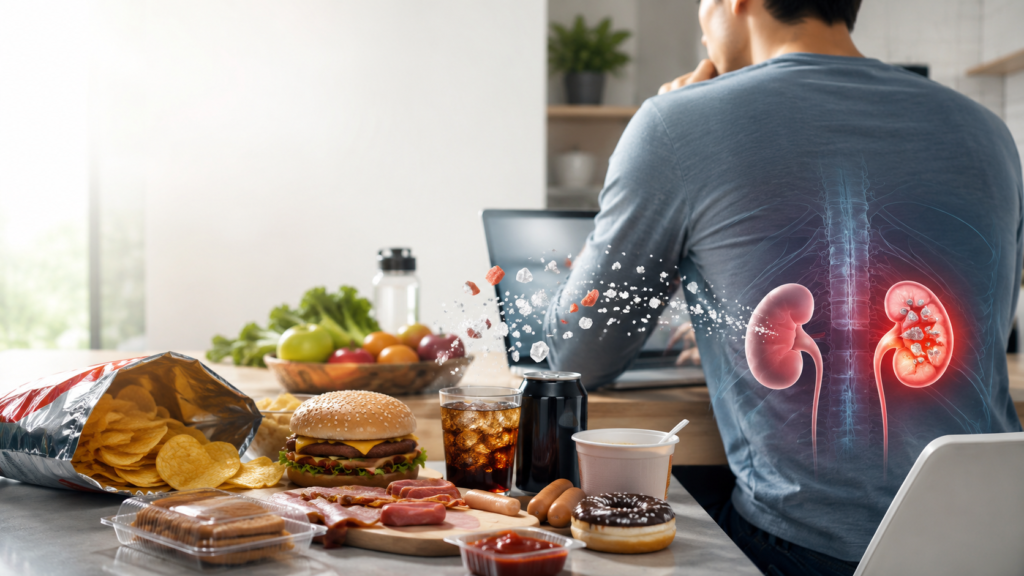
Kidney stones are a growing health concern worldwide, affecting millions of people each year. While dehydration and genetic factors are commonly recognized causes, one significant contributor often goes unnoticed: processed foods. Modern diets are increasingly filled with packaged snacks, ready-to-eat meals, processed meats, and sugary beverages. These foods may be convenient, but their long-term impact on kidney health can be substantial. Understanding the connection between processed foods and kidney stone formation is essential for preventing this painful condition.
Understanding Kidney Stones
Kidney stones are hard mineral deposits that form inside the kidneys when certain substances in the urine become highly concentrated. The most common types include calcium oxalate, uric acid, and calcium phosphate stones. Factors such as inadequate water intake, excessive salt consumption, and poor dietary habits can increase the likelihood of stone formation.
How Processed Foods Contribute to Kidney Stones
Excessive Sodium Intake
One of the biggest concerns associated with processed foods is their high sodium content. Packaged soups, chips, frozen meals, and processed meats often contain large amounts of salt to enhance flavor and preserve freshness.
When sodium levels in the body increase, the kidneys excrete more calcium into the urine. Elevated urinary calcium can combine with oxalate or phosphate, increasing the risk of kidney stone development. Regular consumption of high-sodium foods significantly raises this risk over time.
Added Sugars and Sweetened Beverages
Many processed foods and drinks contain high amounts of added sugars, particularly fructose. Soft drinks, energy drinks, flavored juices, and packaged desserts are common sources.
Excessive sugar intake can increase urinary calcium, oxalate, and uric acid levels, all of which contribute to stone formation. Studies have also linked frequent consumption of sugary beverages with a higher incidence of kidney stones.
Processed Meats and Animal Protein
Processed meats such as sausages, bacon, and salami are often rich in sodium and animal protein. High protein intake can increase uric acid production and reduce citrate levels in urine. Citrate is a natural substance that helps prevent stone formation by inhibiting crystal growth. Lower citrate levels create a favorable environment for kidney stones to develop.
Hidden Risks of a Processed Diet
Beyond their direct effects on kidney stone formation, processed foods often contribute to obesity, high blood pressure, and metabolic disorders. These conditions can further strain kidney function and increase the likelihood of recurrent stones. The cumulative impact of poor dietary choices may remain unnoticed for years until symptoms emerge.
Prevention Through Smarter Food Choices
Reducing processed food consumption is one of the most effective ways to protect kidney health. Replacing packaged snacks with fresh fruits, vegetables, whole grains, and naturally prepared meals can significantly lower sodium and sugar intake. Drinking adequate water throughout the day also helps dilute urine and prevent crystal formation.
Conclusion
The relationship between processed foods and kidney stone formation is often overlooked, yet it plays a crucial role in long-term kidney health. High levels of sodium, added sugars, and processed proteins can silently increase the risk of stone development. By making healthier dietary choices and limiting processed foods, individuals can take an important step toward preventing kidney stones and maintaining overall well-being.