
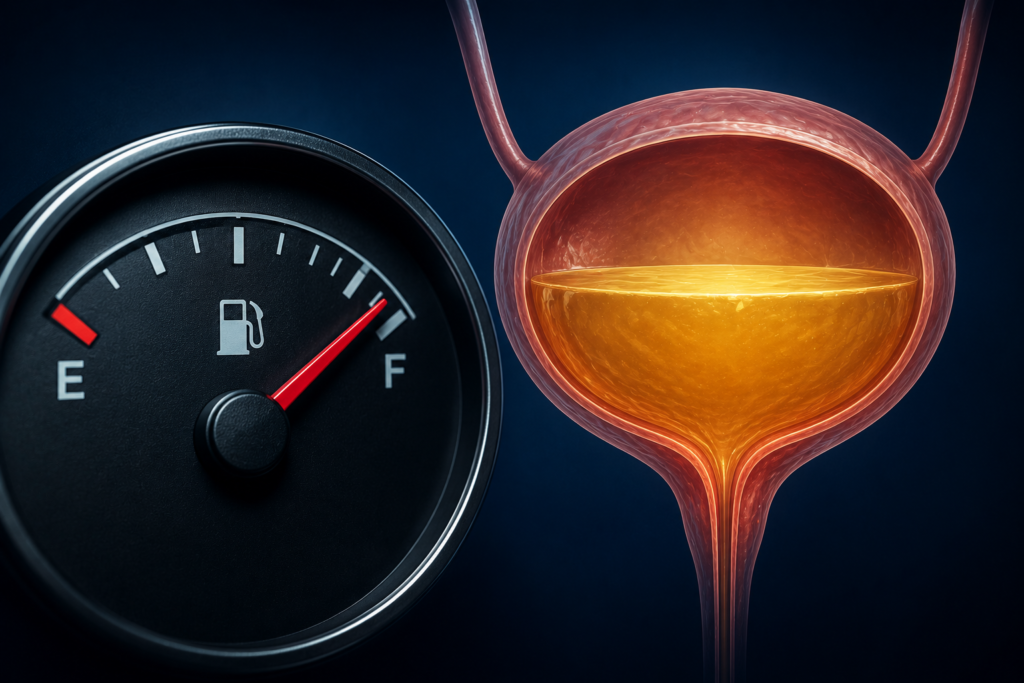
Many people treat their bladder like a fuel tank—waiting until it feels completely full before finally heading to the restroom. Busy meetings, long road trips, work deadlines, or simply not wanting to interrupt an activity can make delaying urination seem harmless.
But regularly ignoring the urge to urinate may interfere with healthy bladder habits. Just because you can hold urine for hours does not mean you should make it a routine.
How Your Bladder Works
The bladder is a muscular organ that stores urine produced by the kidneys. As it fills, nerves send signals to the brain, gradually creating the sensation that you need to urinate.
A healthy bladder is designed to store urine and empty when appropriate. Occasionally delaying urination is usually manageable for most healthy adults. The concern arises when repeatedly holding urine for prolonged periods becomes a habit.
What Happens When You Regularly Hold Urine?
Frequently ignoring the urge to urinate can place unnecessary strain on normal bladder function. Over time, repeatedly postponing bathroom visits may alter how you respond to bladder signals.
In some people, prolonged urine retention can contribute to incomplete bladder emptying or excessive bladder stretching. Urine that remains in the bladder may also create conditions that can increase the likelihood of urinary problems, particularly in people already prone to them.
The goal is not to rush to the bathroom at every minor sensation, but to avoid consistently ignoring a clear and comfortable urge to urinate.
Meetings and Road Trips Can Create Poor Habits
Workdays and travel are common situations in which people postpone bathroom breaks. You may finish one meeting, answer another call, or decide to wait until the next highway stop.
Doing this occasionally is different from making it an everyday routine.
Planning reasonable restroom breaks during long journeys and allowing yourself time to use the bathroom during busy workdays can support healthier bladder habits.
Healthy Bladder Habits to Follow
Good bladder health involves balance. Avoid deliberately holding urine for long periods simply because you are busy. At the same time, repeatedly visiting the restroom “just in case” when you have little or no urge may not be necessary.
Stay adequately hydrated, pay attention to your body’s natural signals, and give yourself enough time to empty your bladder without rushing or straining.
When Should You See a Urologist?
Persistent urinary symptoms should not simply be blamed on drinking too much water or getting older.
Consult a urologist if you frequently experience difficulty starting urination, a weak urine stream, pain or burning while urinating, blood in the urine, frequent urgency, leakage, recurrent urinary infections, or a persistent feeling that your bladder has not emptied completely.
Listen to Your Bladder
Your bladder is not a tank that needs to reach maximum capacity before you empty it. It is part of a coordinated urinary system that communicates with your brain throughout the day.
Respecting those signals and maintaining sensible bathroom habits can help support bladder health over the long term.