
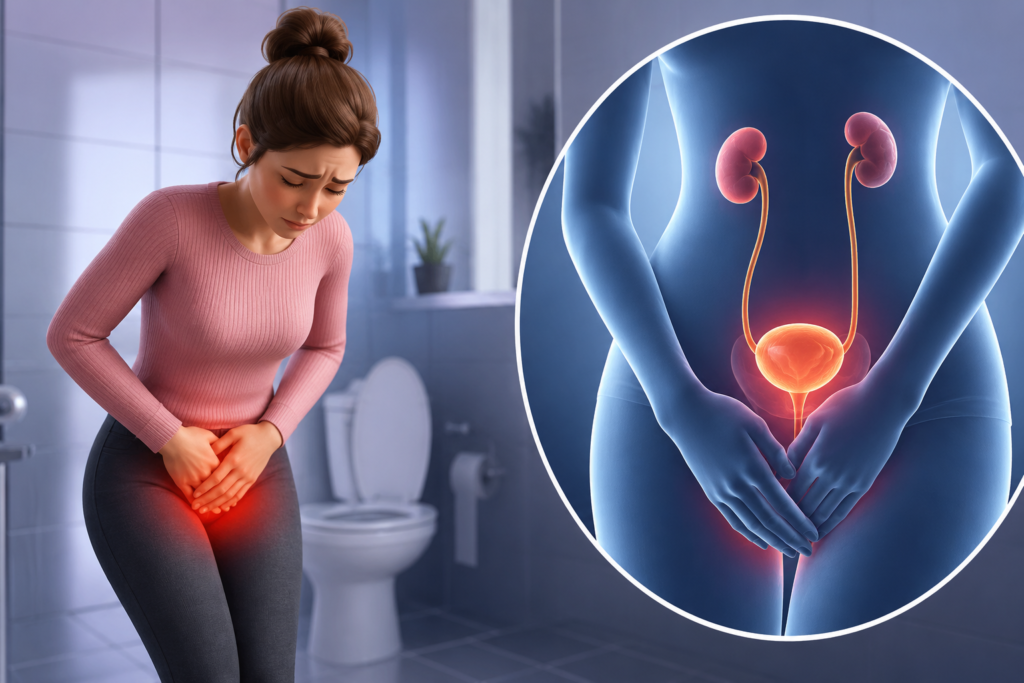
Burning urination is often associated with a urinary tract infection (UTI), but not every case is caused by bacteria. Many women experience pain, stinging, or a burning sensation while passing urine even when urine tests show no infection. Identifying the underlying cause is essential for proper treatment and long-term relief.
What Is Burning Urination?
Burning urination, also known as dysuria, refers to discomfort, pain, or a burning sensation during or immediately after urination. While UTIs are the most common cause, several non-infectious conditions can also irritate the urinary tract.
Common Non-Infectious Causes
1. Dehydration
Not drinking enough water can make urine highly concentrated. Concentrated urine may irritate the bladder and urethra, leading to a burning sensation during urination. Increasing fluid intake often helps reduce symptoms.
2. Vaginal Dryness
Hormonal changes, particularly during menopause, breastfeeding, or after certain medical treatments, can reduce natural lubrication. Dry vaginal tissues are more sensitive and may cause discomfort or burning while passing urine.
3. Chemical Irritants
Products such as scented soaps, bubble baths, feminine hygiene sprays, perfumed sanitary pads, and harsh detergents can irritate the sensitive skin around the urinary opening. Avoiding these products often improves symptoms.
4. Interstitial Cystitis
Also known as bladder pain syndrome, interstitial cystitis is a chronic condition that causes bladder pain, urinary urgency, frequent urination, and burning without any bacterial infection. It requires evaluation by a urologist for proper diagnosis and management.
5. Kidney Stones
Small kidney stones passing through the urinary tract can irritate the lining of the ureter or bladder, causing pain, burning during urination, and sometimes blood in the urine.
6. Sexually Transmitted Infections (STIs)
Certain STIs, such as chlamydia or gonorrhea, may cause burning urination even when a routine urine culture is negative. Additional testing may be necessary if there is a possibility of an STI.
When Should You See a Doctor?
Medical evaluation is recommended if burning urination:
- Lasts for more than 24–48 hours
- Occurs repeatedly despite negative urine tests
- Is associated with blood in the urine
- Is accompanied by fever, severe pain, or back pain
- Occurs along with unusual vaginal discharge or pelvic pain
A healthcare provider may recommend urine analysis, urine culture, pelvic examination, imaging studies, or specialized tests depending on your symptoms.
Tips to Reduce Burning Urination
- Drink adequate water throughout the day.
- Avoid scented intimate hygiene products.
- Maintain good genital hygiene using mild, fragrance-free cleansers.
- Urinate after sexual intercourse.
- Wear breathable cotton underwear and avoid tight-fitting clothing.
- Do not ignore persistent or recurrent symptoms.
Conclusion
Burning urination without an infection is more common than many women realize. Dehydration, hormonal changes, bladder conditions, chemical irritation, kidney stones, and sexually transmitted infections can all produce similar symptoms. Rather than self-medicating, consult a qualified healthcare professional to identify the exact cause and receive the most appropriate treatment. Early diagnosis can prevent complications and help restore urinary comfort and quality of life.