
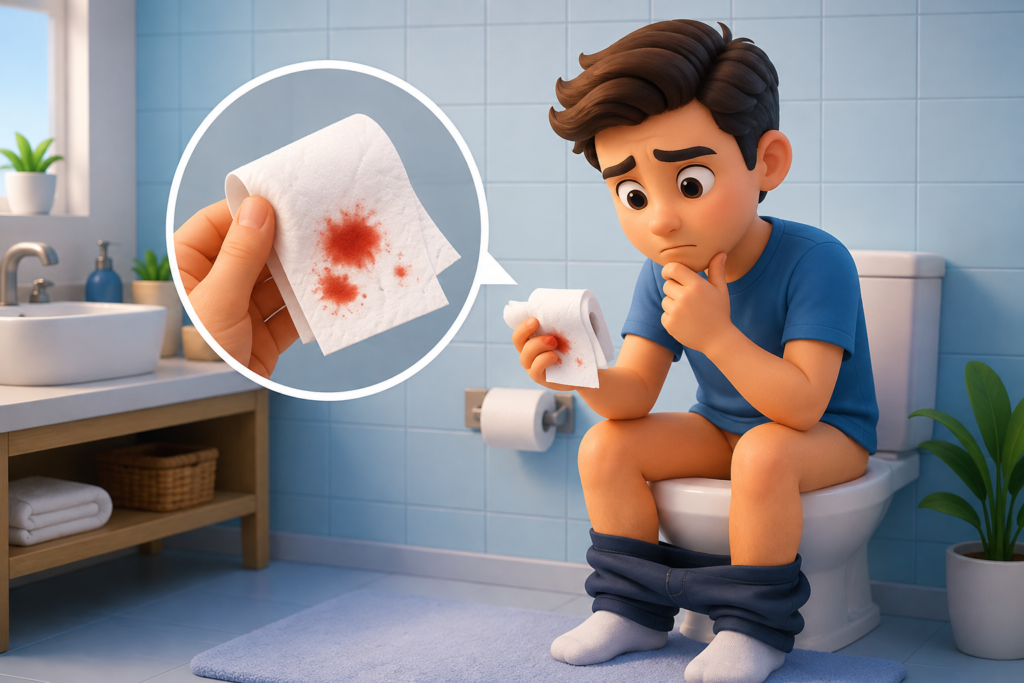
Sometimes, the smallest signs can reveal important clues about your health. A few unexpected drops of blood on toilet paper or unusual discharge after wiping may seem minor, but they should never be ignored. While these symptoms can have harmless causes, they can also be early warning signs of conditions that need prompt medical attention.
Paying attention to what you notice after using the toilet can help detect health issues before they become more serious.
What Should You Look For?
After wiping, take a quick moment to notice if anything seems unusual, such as:
- Bright red blood on the toilet paper
- Pink or brown stains
- Yellow, green, or foul-smelling discharge
- Mucus mixed with stool
- Persistent irritation or discomfort
If these signs happen repeatedly or are accompanied by pain, it’s time to consult a healthcare professional.
What Could Blood After Wiping Mean?
Blood after wiping is not always an emergency, but it should be evaluated, especially if it keeps happening.
Possible causes include:
- Hemorrhoids: Swollen veins around the anus that can cause painless bright red bleeding.
- Anal fissures: Small tears in the skin that often cause pain during bowel movements.
- Urinary tract issues: Blood may come from the urine rather than the stool.
- Inflammatory bowel conditions: Conditions like ulcerative colitis or Crohn’s disease can cause bleeding.
- More serious conditions: Persistent bleeding may require screening for polyps or colorectal cancer.
When Is Discharge a Concern?
Unusual discharge can also provide valuable health clues.
Seek medical advice if you notice:
- Thick, yellow, or green discharge
- A strong or unpleasant odor
- Discharge with itching or burning
- Persistent mucus or pus
These symptoms may be linked to infections, inflammation, or other conditions that require treatment.
When Should You See a Doctor?
Don’t wait if you experience:
- Repeated bleeding
- Heavy bleeding
- Severe pain
- Fever with discharge
- Blood in your urine
- Symptoms lasting more than a few days
Early evaluation can help identify the cause and prevent complications.
Simple Habits That Protect Your Health
Small daily habits can support your urinary and digestive health.
- Stay well hydrated.
- Eat a fiber-rich diet.
- Avoid excessive straining during bowel movements.
- Maintain good personal hygiene.
- Schedule regular health check-ups if symptoms persist.
The Bottom Line
The “toilet paper test” is not a medical test—but it is a reminder to pay attention to your body. A few unexpected drops of blood or unusual discharge should never be dismissed. Early recognition and timely medical evaluation can make a significant difference in protecting your health and ensuring peace of mind.