
Introduction
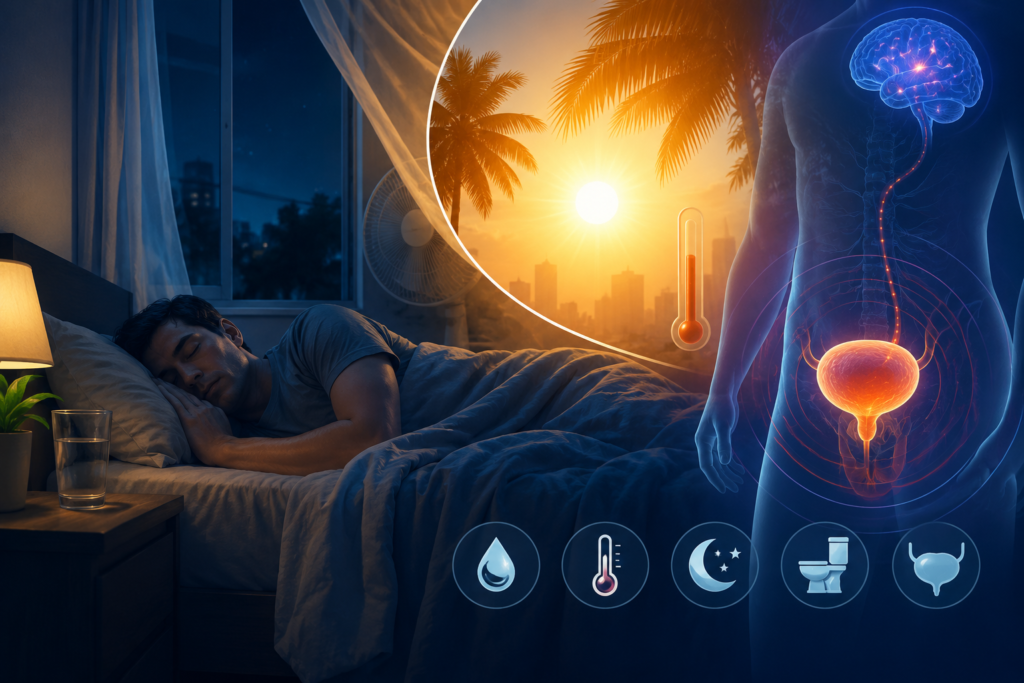
Summer often brings longer days, warmer nights, and disrupted sleep patterns. Many people notice that they wake up more frequently during hot weather, sometimes with a stronger awareness of the need to urinate. While occasional nighttime awakenings are common, repeated sleep interruptions—known as sleep fragmentation—can significantly influence bladder awareness and urinary habits. Understanding this connection is important for maintaining both sleep quality and urinary health.
What Is Sleep Fragmentation?
Sleep fragmentation refers to repeated interruptions during the sleep cycle. Instead of experiencing deep, restorative sleep, the body frequently shifts into lighter sleep stages or full wakefulness. Common summer-related causes include:
- High nighttime temperatures
- Excessive sweating and dehydration
- Increased fluid intake before bed
- Noise from fans, coolers, or outdoor activities
- Changes in sleep schedules during vacations
Even brief awakenings can make a person more conscious of bodily sensations, including bladder fullness.
How Summer Sleep Disruption Affects Urinary Awareness
Increased Sensitivity to Bladder Signals
During uninterrupted deep sleep, the brain naturally suppresses minor bladder sensations. However, fragmented sleep keeps the brain in a lighter state of alertness. As a result, even a partially filled bladder may feel urgent enough to wake someone up.
More Frequent Nighttime Urination
Hot weather often encourages people to drink more fluids in the evening to stay hydrated. Combined with interrupted sleep, this can lead to more frequent nighttime bathroom visits, also known as nocturia.
In many cases, the bladder may not actually be overly full. Instead, waking up repeatedly increases awareness of normal bladder activity.
Hormonal Changes During Poor Sleep
Sleep quality influences hormones that regulate urine production. Poor or fragmented sleep may reduce the effectiveness of antidiuretic hormone (ADH), which normally helps the body produce less urine at night. This can contribute to increased nighttime urination.
Can Sleep Fragmentation Worsen Existing Urological Conditions?
Yes. Individuals with underlying urological conditions may experience greater discomfort during summer months. Conditions that can become more noticeable include:
- Overactive bladder
- Benign prostatic hyperplasia (BPH)
- Urinary tract infections
- Interstitial cystitis
- Nocturia associated with aging
Poor sleep may amplify the perception of urgency, frequency, or pelvic discomfort, making symptoms feel more severe than usual.
Tips to Reduce Summer-Related Sleep and Urinary Disturbances
Maintain a Cool Sleep Environment
Use breathable bedding, proper ventilation, and moderate room cooling to improve sleep continuity.
Manage Evening Fluid Intake
Stay hydrated throughout the day but avoid consuming large amounts of fluids close to bedtime.
Limit Bladder Irritants
Reduce intake of caffeine, alcohol, and sugary beverages in the evening, as they may increase urinary frequency.
Follow a Consistent Sleep Schedule
Regular sleep timing helps the body maintain healthy hormonal rhythms and deeper sleep cycles.
Conclusion
Sleep fragmentation during summer can make people more aware of normal bladder sensations, leading to increased nighttime urination and urinary urgency. While occasional disruptions are usually harmless, persistent symptoms may indicate an underlying urological issue that deserves medical attention. Prioritizing healthy sleep habits and bladder-friendly routines can help improve both sleep quality and urinary comfort during warmer months.