
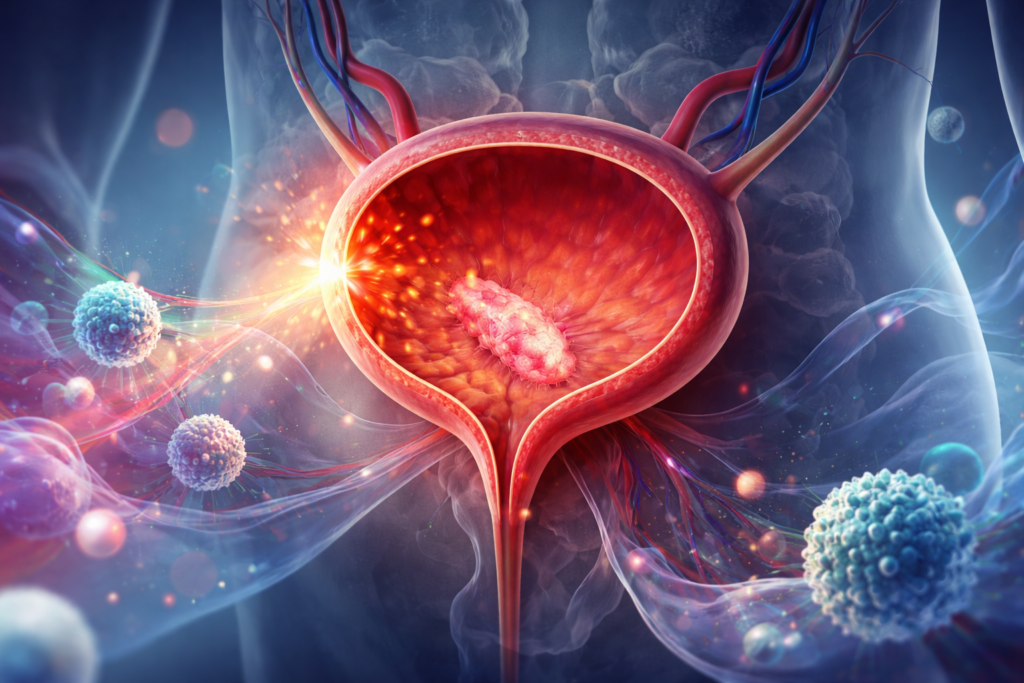
The urinary bladder is a remarkable organ designed to store and release urine while maintaining a strong protective barrier against toxins and microbes. Like other tissues in the body, the bladder has the ability to repair itself after injury. However, in some individuals, bladder healing occurs slowly or incompletely, leading to persistent symptoms such as pain, inflammation, infection, and reduced bladder function.
Understanding why some bladders heal more slowly than others requires exploring the complex science of tissue repair, including cellular regeneration, immune response, blood supply, and underlying health conditions. This article explores the biological mechanisms of bladder healing and the factors that influence recovery.
How the Bladder Normally Heals
Bladder tissue repair follows a structured biological process similar to healing in other organs. This process occurs in several overlapping phases:
1. Inflammatory Phase
Immediately after injury—whether due to infection, surgery, catheterization, or trauma—the body triggers inflammation. Immune cells migrate to the damaged area to remove bacteria, toxins, and dead cells. This phase prepares the tissue for regeneration but must remain controlled to avoid excessive damage.
2. Proliferative Phase
In this stage, bladder cells begin to regenerate. The urothelium (bladder lining) rapidly replaces damaged cells, and new blood vessels form to supply nutrients and oxygen. Fibroblasts also produce structural proteins that support tissue repair.
3. Remodeling Phase
During the final phase, tissue reorganizes and strengthens. Collagen is adjusted, and bladder function gradually returns to normal. Efficient remodeling ensures flexibility and proper bladder capacity.
When any of these stages are disrupted, healing may be delayed.
Why Some Bladders Heal Slowly
Chronic Inflammation
Persistent inflammation is one of the most common causes of delayed bladder healing. Conditions such as recurrent urinary tract infections or chronic bladder disorders keep the immune system activated, preventing normal tissue repair. Instead of healing, the tissue remains irritated and damaged.
Excess inflammatory chemicals can:
- Damage healthy bladder cells
- Disrupt tissue regeneration
- Increase pain sensitivity
- Promote scar formation
Over time, chronic inflammation weakens the bladder’s natural repair mechanisms.
Reduced Blood Supply
Adequate blood flow is essential for delivering oxygen, nutrients, and immune cells to injured tissues. Poor circulation can significantly slow healing.
Conditions that may reduce bladder blood supply include:
- Diabetes
- Smoking-related vascular damage
- Aging-related circulation decline
- Pelvic radiation therapy
Without sufficient oxygen, cells cannot regenerate efficiently, delaying recovery.
Impaired Cellular Regeneration
The bladder lining normally has strong regenerative capacity. However, certain factors interfere with this process:
- Aging reduces stem cell activity
- Long-term inflammation damages regenerative cells
- Repeated injury weakens tissue response
- Hormonal changes may affect cellular repair
When cell turnover slows, damaged tissue persists longer.
Infection and Bacterial Biofilms
Bacteria can attach to bladder tissue and form protective layers called biofilms. These structures shield microbes from antibiotics and immune defenses, allowing infection to persist.
Chronic infection leads to:
- Continuous tissue injury
- Delayed epithelial repair
- Ongoing inflammation
- Recurrent symptoms
This cycle makes complete healing difficult.
Systemic Health Conditions
Overall health strongly influences tissue repair. Several medical conditions impair healing throughout the body, including in the bladder:
- Diabetes (affects immunity and circulation)
- Autoimmune disorders
- Malnutrition
- Obesity
- Chronic kidney disease
These conditions alter immune responses and cellular repair processes.
Nerve Dysfunction and Bladder Stress
The bladder relies on complex nerve signaling to function properly. Neurological conditions can disrupt normal bladder emptying, leading to urine retention or excessive pressure.
This can result in:
- Repeated tissue strain
- Increased infection risk
- Reduced oxygen supply
- Mechanical damage to the bladder wall
Over time, these factors slow healing.
Scar Tissue Formation (Fibrosis)
In some cases, the body produces excessive scar tissue instead of regenerating normal bladder tissue. This process, known as fibrosis, reduces elasticity and limits bladder function.
Fibrosis may be triggered by:
- Chronic inflammation
- Repeated injury
- Radiation therapy
- Long-standing obstruction
Scar tissue does not function like healthy bladder tissue, leading to persistent symptoms.
Clinical Implications in Urology
Delayed bladder healing can contribute to several urological conditions, including:
- Chronic cystitis
- Painful bladder syndromes
- Recurrent urinary tract infections
- Post-surgical complications
- Bladder dysfunction and reduced capacity
Understanding the underlying cause of slow healing allows urologists to develop targeted treatment strategies, such as infection control, anti-inflammatory therapies, regenerative approaches, and lifestyle interventions.
Supporting Bladder Healing
Although treatment depends on the underlying condition, certain general measures support bladder tissue repair:
- Adequate hydration to maintain urinary health
- Proper infection management
- Blood sugar control in diabetic patients
- Smoking cessation to improve circulation
- Nutritional support for tissue regeneration
- Timely treatment of bladder dysfunction
Early intervention often prevents chronic damage.
Future Directions in Bladder Regeneration
Emerging research in urology is exploring advanced methods to improve bladder healing, including:
- Stem cell therapy for tissue regeneration
- Growth factor treatments
- Biomaterial scaffolds for bladder repair
- Targeted anti-inflammatory therapies
These approaches aim to enhance natural repair processes and reduce long-term complications.
Conclusion
Bladder healing is a complex biological process influenced by inflammation, blood supply, cellular regeneration, infection, and overall health. When these factors are disrupted, recovery slows and chronic symptoms may develop. A deeper understanding of tissue repair mechanisms allows clinicians to better diagnose, manage, and treat delayed bladder healing.
As research continues to advance, improved therapies may help restore bladder function more effectively and enhance patient outcomes in urological care.