
Introduction
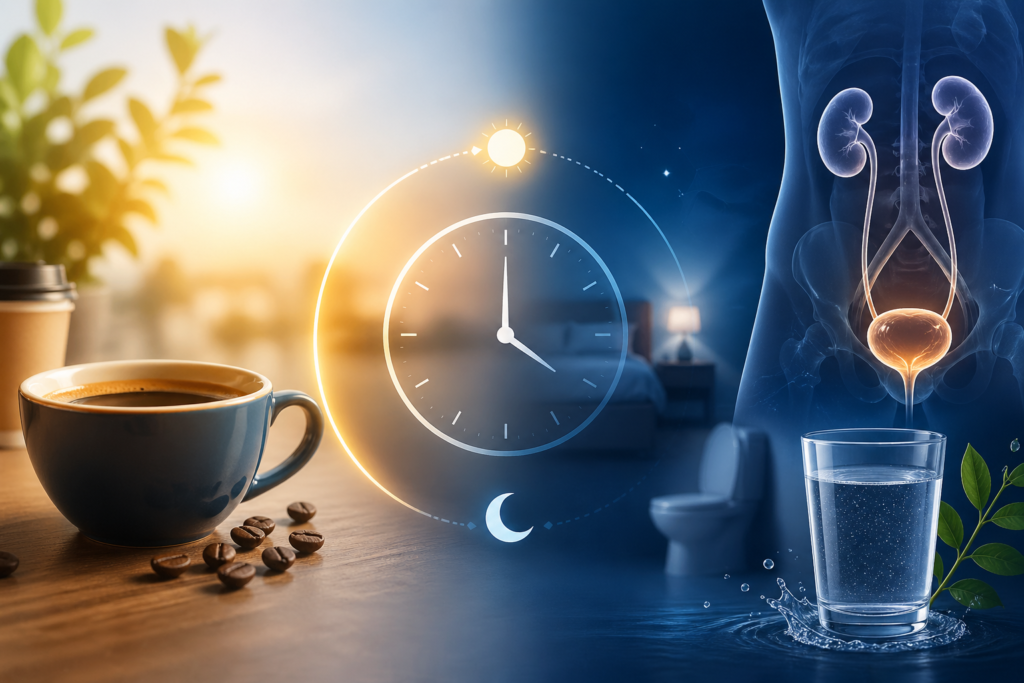
Caffeine is a part of everyday life for many people—whether through morning coffee, tea during work hours, soft drinks, or energy beverages. Most discussions around caffeine focus on alertness and energy, but its effects on urinary health are often ignored. In urology, caffeine can significantly influence bladder function, and importantly, timing of intake matters as much as the amount consumed.
How Caffeine Affects the Urinary System
Caffeine is a natural stimulant that impacts both the nervous system and the urinary tract.
1. Increased Urine Production
Caffeine has a mild diuretic effect, which means it can increase urine output. This may lead to more frequent urination, especially in sensitive individuals.
2. Bladder Irritation
Caffeine can irritate the bladder lining and increase bladder muscle activity. This may trigger symptoms such as:
- Urinary urgency
- Increased frequency
- Urge incontinence
- Pelvic discomfort
- Bladder pressure
These effects are more noticeable in patients with existing urinary conditions.
Patients Most Affected
Certain urology patients are more sensitive to caffeine-related symptoms, including those with:
- Overactive bladder (OAB)
- Urinary incontinence
- Nocturia (frequent nighttime urination)
- Interstitial cystitis
- Recurrent urinary urgency
- Post-procedure bladder sensitivity
For these individuals, caffeine may worsen symptoms even if consumed in moderate amounts.
Why Timing Matters
Many patients focus only on reducing caffeine intake, but when caffeine is consumed is equally important.
Morning vs Evening Intake
A cup of coffee at 8 a.m. affects the body differently than the same cup at 7 p.m. Caffeine can stay active in the body for 6–8 hours, and sometimes longer depending on:
- Age
- Metabolism
- Kidney function
- Medications
- Individual sensitivity
Late afternoon or evening caffeine often contributes to nocturia and poor sleep quality.
The Link Between Caffeine and Nocturia
Nighttime urination is one of the most common complaints in urology practice.
Late caffeine intake can:
- Increase nighttime urine production
- Trigger urgency before sleep
- Disturb sleep cycles
- Reduce overall quality of life
Poor sleep also affects mental health, cardiovascular health, and daytime performance, creating a cycle of fatigue and repeated caffeine use.
Practical Urology Advice
The goal is not always complete caffeine elimination. Instead, patients benefit more from moderation and proper timing.
Recommended Strategies
- Limit caffeine after 2–3 p.m.
- Track urinary symptoms after caffeine intake
- Replace evening caffeinated drinks with water or herbal alternatives
- Identify hidden caffeine sources such as cola, green tea, chocolate, and supplements
Simple adjustments often produce noticeable improvement.
Clinical Importance
Before medications or invasive treatments, lifestyle modifications should be considered. Caffeine timing is a low-cost, practical intervention that can improve symptoms significantly.
A detailed lifestyle history helps clinicians identify patterns that patients may overlook.
Conclusion
In urology, managing symptoms often begins with small behavioral changes. Caffeine timing is one of the simplest yet most effective strategies for improving urinary health.
Because sometimes, it’s not just what you drink—but when you drink it.