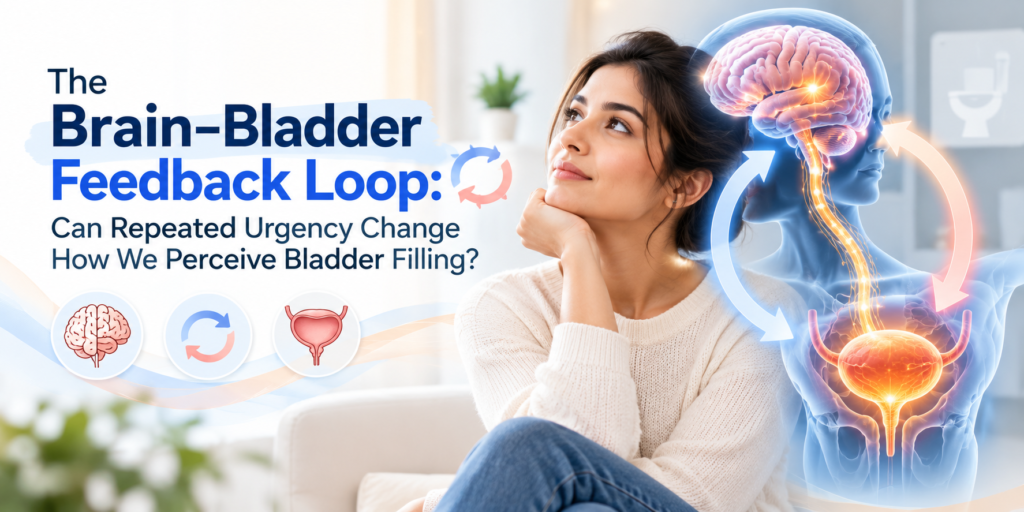
Signal Confusion: When the Brain Misreads Bladder Messages

Most people think of bladder problems as purely physical—an infection, a weak muscle, or a structural issue. But what if the problem isn’t in the bladder itself, but in how the brain interprets its signals? “Signal confusion” is an emerging way to understand urinary symptoms that don’t always show up in tests. It describes a […]

Signal Confusion: When the Brain Misreads Bladder Messages Read More »

Gene Expression and Bladder Disorders: Early Clues

Bladder disorders, including overactive bladder, interstitial cystitis, and bladder cancer, affect millions of people worldwide. Traditionally, diagnosis has relied on symptoms, imaging, and invasive procedures. However, advances in molecular biology have revealed that changes in gene expression may offer early clues, opening new possibilities for detection, prevention, and treatment. What is Gene Expression?Gene expression refers

Gene Expression and Bladder Disorders: Early Clues Read More »

The Bladder–Gut Conversation: How Two Organs Influence Each Other

Introduction The human body functions as an interconnected system, yet we often think of organs in isolation. The bladder and the gut are a perfect example of two systems that are deeply linked. Though they serve different purposes—one for waste elimination through urine and the other for digestion—they constantly communicate and influence each other. Understanding

The Bladder–Gut Conversation: How Two Organs Influence Each Other Read More »

Did You Know Your Kidneys Filter Your Blood Almost 30 Times a Day?

Your kidneys are among the hardest-working organs in your body. Every single day, they filter nearly 180 liters of fluid, removing toxins, balancing minerals, and keeping your body in perfect harmony — even while you sleep. 😴 “Aapke kidneys 24/7 kaam karte hain, bina kisi break ke.”Yes, your body depends on them constantly — but

Did You Know Your Kidneys Filter Your Blood Almost 30 Times a Day? Read More »

Hormonal Transitions & the Bladder: Puberty, Pregnancy, and Menopause

Hormonal fluctuations across a woman’s life have a profound impact on the lower urinary tract. From adolescence to post-menopause, shifts in estrogen, progesterone, and other hormones influence bladder function, pelvic floor integrity, and urinary symptoms. Understanding these changes is essential in urology for timely diagnosis, patient education, and targeted management. 1. Introduction The bladder and

Hormonal Transitions & the Bladder: Puberty, Pregnancy, and Menopause Read More »

Urology Awareness This Ugadi: A Fresh Start for Better Health

Ugadi, the festival that marks new beginnings, is the perfect time to reflect, reset, and prioritize our well-being. While we focus on prosperity and happiness, it is equally important to pay attention to our health—especially urological health, which is often ignored until serious issues arise. Understanding Urological Health Urology focuses on the urinary tract system,

Urology Awareness This Ugadi: A Fresh Start for Better Health Read More »