
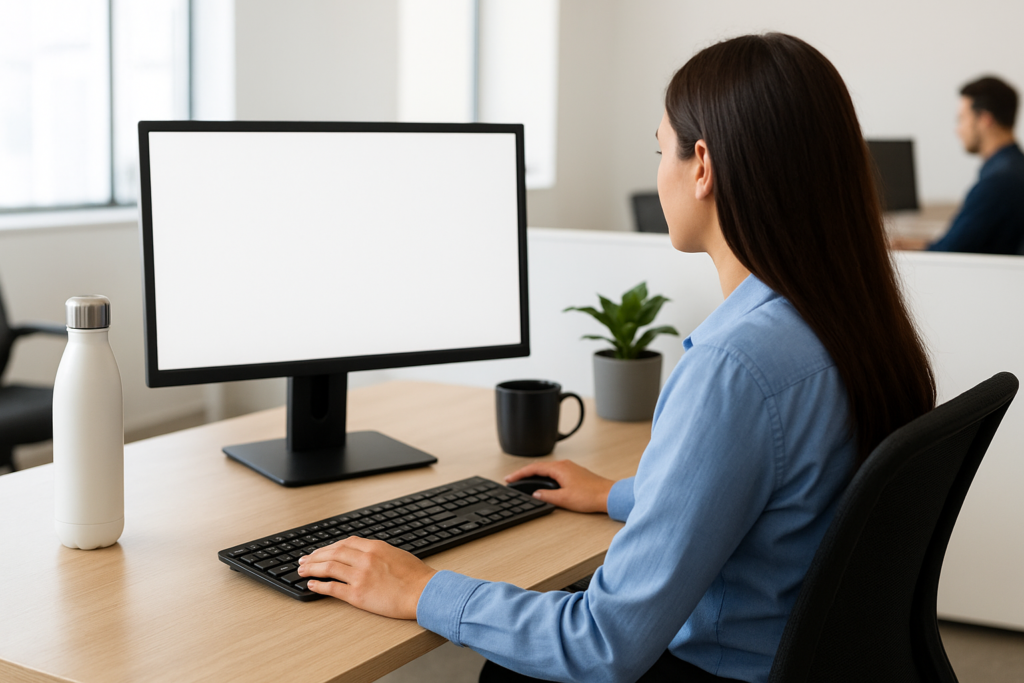
Most people think of the workplace as a place shaped by deadlines, meetings, and productivity goals. Yet there is one part of the workday rarely discussed but deeply affected by office culture: your bladder. How you hydrate, how often you take breaks, and even how comfortable you feel using office restrooms can directly influence your urinary habits and long-term bladder health.
This isn’t just about convenience. It’s about understanding how subtle environmental and social cues at work shape bodily functions we often take for granted.
The Silent Pressure of the Modern Workplace
In many offices, employees find themselves limiting bathroom breaks for reasons they may not fully acknowledge. Common patterns include:
Back-to-back meetings
When calendars are filled with consecutive calls or presentations, people often delay urinating simply because they do not have time. Chronic holding can increase bladder sensitivity over time.
Fear of being judged
Some employees feel hesitant to leave their desk too often, worried it might appear unprofessional or signal reduced productivity.
Limited restroom access
Large corporate floors with few restrooms, long lines, or restrooms located far from workstations can discourage regular breaks.
These pressures can gradually change urinary patterns, encouraging people to override their natural signals.
Hydration Habits at the Office
Hydration plays a major role in bladder function, and office environments heavily influence how much people drink.
Office temperature and air conditioning
Dry indoor air can increase fluid needs, yet many employees avoid drinking water to reduce restroom visits.
Dependence on caffeinated beverages
Coffee and tea breaks are ingrained in office culture. Caffeine is a known bladder irritant, which can increase urgency and frequency, creating a cycle of discomfort.
Forgotten water bottles
Many workers unintentionally go hours without drinking simply because they are focused on tasks.
These habits can lead to concentrated urine, increased risk of urinary irritation, and even susceptibility to urinary infections.
Restroom Anxiety: A Real Workplace Phenomenon
A surprising number of people experience discomfort using office restrooms. Reasons include:
- Concern over noise or lack of privacy
- Fear of being judged for frequent visits
- Cleanliness issues
- Shared spaces causing discomfort or urgency suppression
This leads to consciously or unconsciously resisting the urge to urinate, a behavior that can affect bladder muscle function over time.
Technology and the Workday: A Hidden Trigger
Digital culture plays its own role. Prolonged screen time can distract you from recognizing your bladder signals. Notifications, deadlines, and focus-heavy tasks often encourage holding urine longer than recommended.
Remote work has helped some people regain healthier patterns, but others report the opposite, struggling with inconsistent hydration and too few breaks.
How Chronic Holding Affects the Bladder
Holding urine occasionally is normal, but repeatedly ignoring the urge can lead to:
- Overactive bladder symptoms
- Increased urgency over time
- Risk of urinary tract infections
- Potential bladder muscle weakening
- Feeling of incomplete emptying
Your bladder is designed to store urine, but it also depends on routine emptying to stay healthy.
Building a Bladder-Friendly Office Culture
Improving urinary health at work does not require major changes. Small adjustments can make a significant difference.
1. Normalize regular breaks
Managers and employees alike benefit when breaks are valued as part of productivity and wellbeing.
2. Improve restroom accessibility
Clean, private, and easily reachable restrooms can reduce anxiety and encourage healthier habits.
3. Make hydration easy
Placing water stations near work areas increases fluid intake without disrupting workflow.
4. Address meeting culture
Allowing short pauses between meetings gives employees time to reset and use the restroom.
5. Reduce stigma
Talking about health needs, including bladder health, should be as acceptable as discussing ergonomic chairs or screen fatigue.
Listening to Your Body in a Busy Workplace
Your bladder sends signals for a reason, and understanding them is essential for long-term health. By recognizing how office culture shapes urinary habits, we can create workplaces that support both productivity and physical wellbeing.