
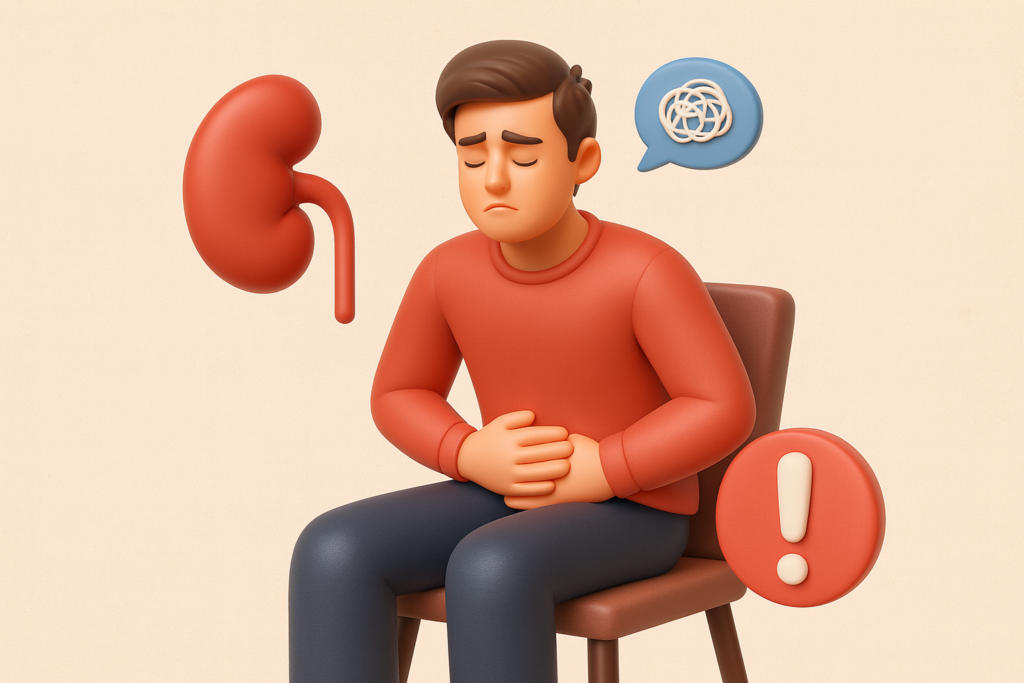
Urological problems were once thought to be concerns of older adults, but today an increasing number of young people—those in their 20s, 30s, and early 40s—are walking into clinics with issues like kidney stones, urinary tract infections (UTIs), infertility, erectile dysfunction, overactive bladder, and prostatitis.
So, why is this happening?
The shift is not random; it’s the result of a combination of lifestyle, environmental, medical, and psychological factors unique to modern living.
1. Sedentary Lifestyles & Lack of Physical Activity
Hours spent sitting—at desks, in cars, or on sofas—contribute significantly to urological discomfort.
Sedentary habits can lead to:
- Poor pelvic floor health
- Increased risk of kidney stones
- Weight gain, causing pressure on the urinary tract
- Poor blood flow affecting reproductive and urinary systems
Even young people with “desk jobs” are experiencing symptoms like urgency, frequency, and pelvic pain.
2. Rising Stress Levels & Mental Health Strain
Chronic stress has very real physical consequences.
High stress levels can:
- Trigger pelvic floor dysfunction
- Increase bladder sensitivity (leading to overactive bladder)
- Affect sexual function and libido
- Weaken immunity, increasing UTIs
With burnout becoming common even in early careers, stress-related urological issues are being seen more frequently.
3. Poor Diets & Dehydration
Fast food, excessive caffeine, processed snacks, and high-salt diets are now the norm for many young adults. These contribute to:
- Kidney stone formation
- Bladder irritation
- Increased urinary frequency
- Dehydration-related UTIs
Sugary drinks and energy beverages only worsen the situation.
4. Increased Screen Time & Sleep Deprivation
Late nights, binge-watching, gaming, and constant scrolling don’t just affect the brain—they impact the bladder and kidneys too.
Sleep deprivation disrupts:
- Hormonal balance
- Urine production cycles
- Immune function
This makes younger adults more vulnerable to infections and inflammatory urological conditions.
5. Changing Sexual Behaviors
A rise in early sexual activity, multiple partners, and inconsistent protection has led to:
- Higher rates of sexually transmitted infections (STIs)
- Post-STI complications like urethritis or infertility
- Chronic pelvic pain syndromes
Untreated STIs can silently cause long-term damage—especially in young men and women who delay medical consultation.
6. Increased Use of Gym Supplements & Steroids
High-protein diets, bodybuilding supplements, and unregulated fitness enhancers are increasingly popular.
Potential consequences include:
- Kidney strain and early kidney dysfunction
- Dehydration leading to stones
- Hormonal imbalance affecting sexual health
Unsuspecting young adults often suffer silently until symptoms escalate.
7. Environmental Toxins & Pollution
Microplastics, endocrine-disrupting chemicals, and pollutants in food and water are linked to:
- Lower fertility rates
- Hormonal disturbances
- Early onset of prostate and bladder problems
This is one of the hidden contributors often overlooked
8. Increased Awareness & Better Diagnostics
It’s important to acknowledge:
Young adults may not necessarily be sicker—some are simply more aware and more open to seeking help.
Advances in diagnostics and growing health consciousness also explain part of the rise.
9. Digital Misdiagnosis & Delayed Medical Visits
While online health information is easy to access, it often leads to:
- Self-diagnosis
- Delaying proper consultation
- Worsening of simple issues into chronic disorders
Ignoring early symptoms like frequent urination, burning, or mild pelvic pain can lead to more serious urological complications.
How Young Adults Can Protect Their Urological Health
Here are practical steps:
- Stay hydrated—reduce caffeine & sugary drinks
- Follow a balanced diet rich in fruits, vegetables, and fiber
- Exercise regularly and avoid prolonged sitting
- Practice safe sex & schedule routine check-ups
- Limit supplements & avoid steroids
- Reduce stress through mindfulness, yoga, or therapy
- Maintain good sleep hygiene
- Don’t ignore early symptoms—consult a urologist promptly
Conclusion
The rise in urological issues among younger adults is deeply tied to modern lifestyle patterns. The good news?
Most of these problems are preventable and treatable when addressed early.
Awareness, timely medical care, and healthy lifestyle choices can make a significant difference in long-term urinary and reproductive health.