
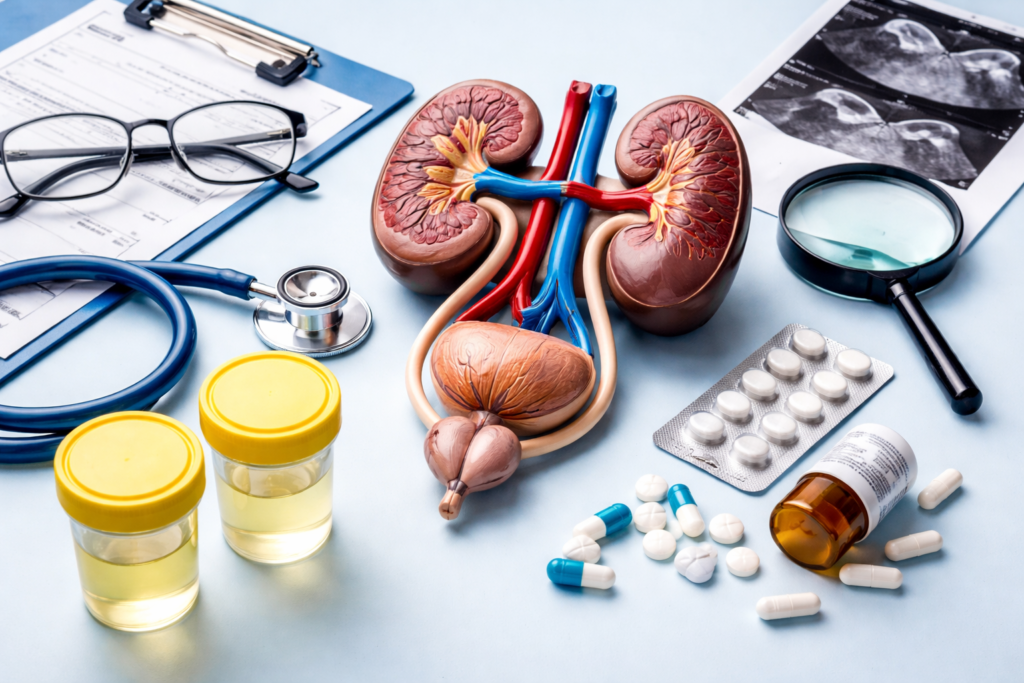
In urology, many serious conditions begin with subtle, seemingly harmless symptoms. A slight change in urination, mild discomfort, or occasional pain is often dismissed as temporary or insignificant. However, ignoring these early signs can delay diagnosis and treatment of underlying urological conditions such as infections, kidney disease, prostate disorders, or even cancer.
Understanding when “mild” symptoms may signal something more serious can help patients seek timely medical care and prevent complications.
Why People Ignore Early Urological Symptoms
Many individuals delay consulting a doctor because they:
- Assume symptoms will resolve on their own
- Feel embarrassed discussing urinary or reproductive health
- Attribute changes to aging, lifestyle, or stress
- Lack awareness about warning signs
According to health awareness initiatives supported by organizations like World Health Organization, early detection significantly improves treatment outcomes across many diseases—including urological conditions.
Common “Mild” Symptoms That Shouldn’t Be Ignored
1. Frequent Urination
Urinating more often than usual—especially at night (nocturia)—may indicate:
- Urinary tract infection (UTI)
- Diabetes-related complications
- Overactive bladder
- Enlarged prostate (BPH) in men
When to worry: If frequency persists for several days or disrupts sleep regularly.
2. Burning or Pain During Urination
A burning sensation is commonly linked to infections but may also signal:
- Bladder inflammation
- Kidney stones
- Sexually transmitted infections
- Prostate inflammation
When to worry: If pain continues beyond 24–48 hours or is accompanied by fever or discharge.
3. Blood in Urine (Even Once)
Even a small amount of blood in urine (hematuria) should never be ignored. It may be caused by:
- Kidney or bladder stones
- Urinary tract infections
- Kidney disease
- Bladder or kidney tumors
Important: Painless blood in urine is especially concerning and requires prompt evaluation.
4. Changes in Urine Flow
A weak stream, difficulty starting urination, or interrupted flow may suggest:
- Prostate enlargement
- Urethral blockage
- Bladder dysfunction
When to worry: If symptoms gradually worsen or interfere with complete bladder emptying.
5. Lower Back or Flank Pain
Persistent mild pain in the lower back or side can be related to:
- Kidney stones
- Kidney infection
- Urinary obstruction
When to worry: If pain is persistent, severe, or accompanied by nausea or fever.
6. Urinary Leakage or Loss of Control
Occasional leakage may seem minor but could indicate:
- Pelvic floor weakness
- Nerve-related bladder issues
- Prostate problems
- Post-childbirth changes in women
Early treatment often improves outcomes significantly.
7. Testicular or Pelvic Discomfort
Mild, persistent discomfort in the testicles or pelvic region may signal:
- Infection
- Hernia
- Varicocele
- Testicular tumors
Any unexplained swelling or pain should be medically assessed.
Who Is at Higher Risk?
Certain individuals should be especially cautious about early symptoms:
- Adults over 40 years
- People with diabetes or hypertension
- Individuals with a family history of kidney or prostate disease
- Smokers (higher risk of bladder cancer)
- Those with recurrent urinary infections
Regular screening is particularly important for these groups.
Why Early Diagnosis Matters
Ignoring mild symptoms may lead to:
- Chronic kidney damage
- Severe infections
- Bladder dysfunction
- Reduced quality of life
- Late-stage cancer detection
Early intervention typically means simpler treatment, lower costs, and better long-term health outcomes.
When to See a Urologist
Seek medical advice if:
- Symptoms persist longer than a few days
- You notice blood in urine
- Urination becomes painful or difficult
- There is unexplained swelling, pain, or leakage
- Symptoms keep recurring
Preventive check-ups are also recommended even without obvious symptoms, especially for high-risk individuals.
Conclusion
What appears to be a minor inconvenience today may be an early warning sign of a serious urological condition tomorrow. Listening to your body, recognizing subtle changes, and seeking timely medical advice can protect kidney function, urinary health, and overall well-being.
When it comes to urological health, no symptom is too small to evaluate—because early care saves lives.