
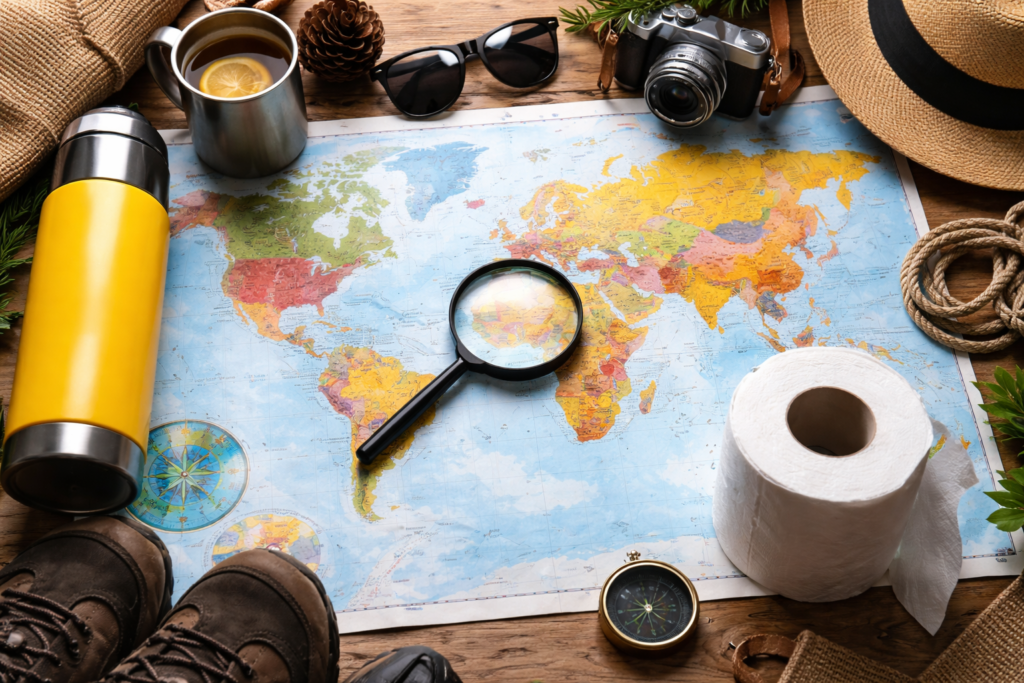
Have you ever noticed that you use the restroom more frequently when traveling, hiking in the mountains, spending time in cold places, or even visiting certain cities? While it may feel coincidental, your urinary habits are deeply influenced by geography. Climate, altitude, culture, diet, and even infrastructure all shape how often and when people urinate.
This phenomenon can be thought of as a “pee map” — a global pattern showing how location quietly influences one of the body’s most basic biological functions.
Climate and Temperature
Temperature has a direct effect on how much you urinate.
In cold climates, the body reduces blood flow to the skin to conserve heat. This causes more blood to be routed through the kidneys, increasing urine production. This is why people often feel the urge to urinate more in winter or cold regions.
In hot climates, sweating becomes the body’s primary way of cooling itself. More fluid is lost through the skin, leaving less available for urine production. As a result, people often urinate less frequently in hot environments, especially if they are mildly dehydrated.
Altitude and Oxygen Levels
At higher altitudes, oxygen levels drop. To adapt, the body increases breathing and heart rate, and it also changes how it regulates fluids.
The kidneys respond by excreting more bicarbonate and water to help balance blood pH. This process leads to increased urine output, which is why people often urinate more when visiting mountains or high-altitude cities.
Cultural Habits and Social Norms
Geography also influences behavior, not just biology.
In some countries, people drink tea, coffee, or herbal infusions throughout the day, which increases fluid intake and has a mild diuretic effect. In other regions, water consumption may be lower due to climate, lifestyle, or limited access, leading to less frequent urination.
Bathroom accessibility also plays a role. In cities with plentiful public restrooms, people may respond to urges immediately. In rural areas or places with limited facilities, people unconsciously train their bladder to wait longer.
Diet and Regional Cuisine
What people eat and drink varies widely by location, and this has a major effect on urine production.
High-sodium diets, common in many processed-food cultures, increase thirst and fluid intake. Spicy foods can stimulate bladder sensitivity in some individuals. Alcohol, common in social cultures worldwide, is a strong diuretic that increases urine output.
Even traditional foods such as soups, broths, and watery fruits can significantly increase fluid intake and change bathroom frequency.
Water Quality and Availability
In regions where drinking water is clean and abundant, people are more likely to stay well hydrated, which leads to more frequent urination.
In areas where water access is limited or unsafe, people often drink less to avoid illness or inconvenience. This reduces urine production and can lead to darker, more concentrated urine.
Psychological and Environmental Triggers
Your brain associates certain environments with bathroom behavior. For example, hearing running water in a hotel bathroom or entering your home after a long day can trigger the urge to urinate even if the bladder is not full. These learned responses vary across environments and cultures.
Travel stress, unfamiliar surroundings, and changes in routine also affect hormone levels that regulate fluid balance, subtly shifting urinary patterns.
What the Pee Map Teaches Us
Your bladder is not just reacting to how much you drink. It is responding to temperature, altitude, culture, food, water access, habits, and even social expectations.
Understanding this can help explain why your bathroom habits change when you travel, move cities, or change lifestyles. It also highlights how deeply the human body is connected to its environment — even in ways we rarely think about.
So the next time you find yourself wondering why you are running to the restroom more often in one place than another, remember that your body is simply reading the map around you and adjusting accordingly.