
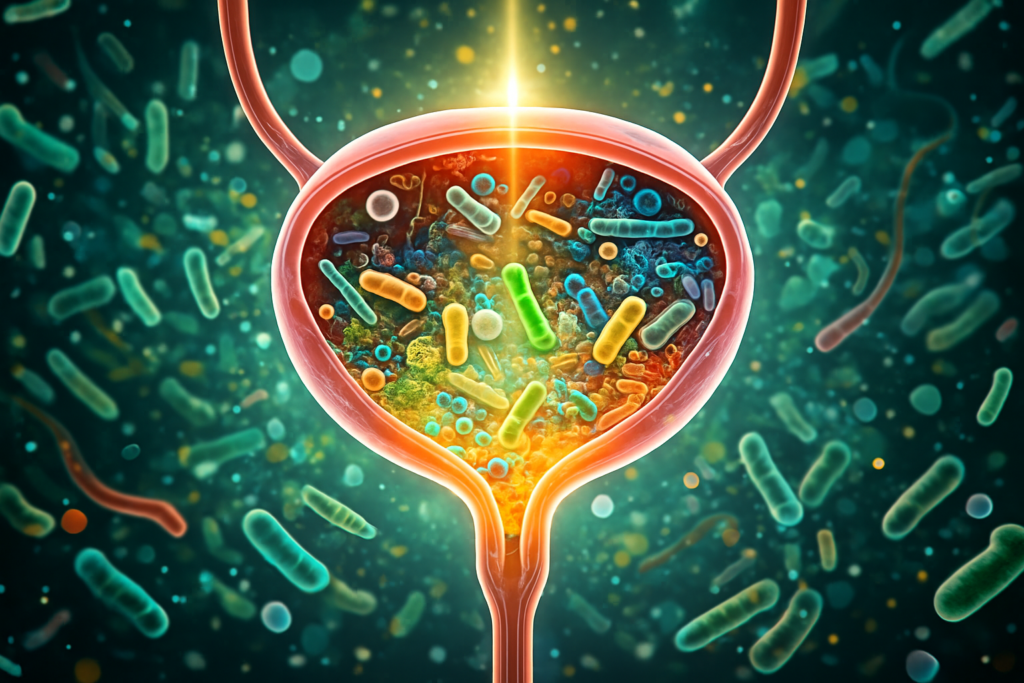
For years, the bladder was believed to be a sterile environment—an organ free of bacteria, maintained by the body’s natural filtration system. But modern science has rewritten that narrative. Thanks to advances in genetic sequencing and microbiome research, we now know that the bladder hosts a unique community of microorganisms. This discovery has reshaped our understanding of urinary health, chronic bladder conditions, and even personalized medicine.
This emerging field, often referred to as the “bladder microbiome,” is helping clinicians and researchers uncover how bacteria influence everything from recurrent urinary tract infections (UTIs) to overactive bladder and interstitial cystitis.
What Is the Bladder Microbiome?
The bladder microbiome is the collection of bacteria and other microorganisms that naturally live inside the bladder. While the gut microbiome has been extensively studied, the bladder’s ecosystem has only recently gained attention.
Using advanced DNA-based techniques, scientists have detected a variety of bacterial species in healthy urine samples—microbes that were previously invisible to standard urine cultures. These bacteria are not contaminants; they exist as part of the body’s delicate microbial balance.
Why This Discovery Matters
1. It Changes How We Understand UTIs
Traditional thinking suggests that UTIs occur when “bad” bacteria invade a sterile bladder. But the microbiome model shows that the bladder already contains bacteria, and infections may occur when this ecosystem becomes imbalanced.
Some key insights include:
- People with recurrent UTIs often have a significantly altered bladder microbiome.
- Certain “good” bacteria may actually protect against infection.
- Antibiotics, while necessary at times, can disrupt this natural balance and increase susceptibility to future infections.
These findings point toward the possibility of microbial therapies—targeted probiotics or microbiome restoration—to prevent recurrent UTIs.
2. It Offers New Clues About Chronic Bladder Conditions
Conditions like overactive bladder (OAB) and interstitial cystitis/bladder pain syndrome (IC/BPS) have long been difficult to treat due to unclear causes. Microbiome studies are revealing patterns associated with these conditions.
For example:
- People with OAB often show reduced microbial diversity.
- Those with IC/BPS may have an overrepresentation of certain bacterial species.
- Microbiome imbalance can influence inflammation, nerve sensitivity, and bladder muscle behavior.
This suggests that diagnosing and treating these conditions may eventually involve analyzing a patient’s microbial profile rather than relying solely on symptoms.
3. It May Lead to Personalized Urinary Health Care
The microbiome revolution opens the door to precision medicine in urology.
Potential future applications include:
- Microbiome-based diagnostics that detect imbalances before symptoms arise.
- Personalized probiotics tailored to a patient’s unique bladder bacteria.
- Treatments that restore healthy microbial ecosystems rather than destroy them.
While these developments are still in research phases, they provide an exciting glimpse into the future of urinary care.
How Can You Support a Healthy Bladder Microbiome?
While research is ongoing, certain practices may help maintain microbial balance:
- Avoid unnecessary antibiotics.
- Stay well hydrated.
- Consume a balanced diet rich in fiber and fermented foods (which support the gut–urinary microbiome connection).
- Manage stress, which impacts immune and microbial health.
- Avoid excessive use of antiseptic washes or wipes in the genital area.
Always consult a healthcare professional before making any changes, especially if you are managing recurrent UTIs or chronic bladder conditions.
The Future of Bladder Health
The discovery of the bladder microbiome represents a major shift in urological science. Instead of viewing the bladder as a sterile organ vulnerable to occasional “invaders,” we now understand it as a dynamic microbial ecosystem. This new perspective offers hope for better diagnostics, more effective treatments, and, ultimately, improved quality of life for millions of people.
As research continues to unfold, one thing is clear: the future of bladder health is rooted in understanding the invisible bacterial world inside us.