
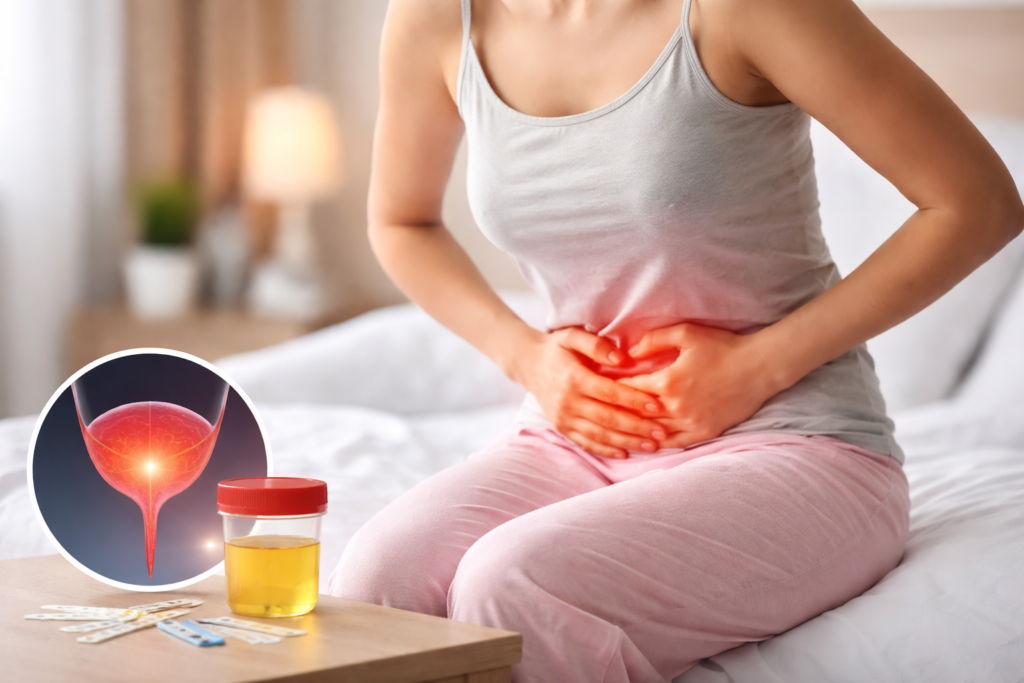
Bladder pain is often immediately associated with a urinary tract infection (UTI). So when symptoms like burning, pressure, urgency, or pelvic discomfort appear—but urine tests come back normal—it can feel confusing, frustrating, and even invalidating. However, bladder pain without infection is not only real, it’s more common than many people realize.
Understanding why the bladder can hurt despite normal test results is the first step toward proper diagnosis, relief, and peace of mind.
When Bladder Pain Isn’t a UTI
Urine tests are designed to detect bacteria, white blood cells, or other signs of infection. When those markers are absent, it means there is likely no active infection—but it does not mean there is no problem.
The bladder is a sensitive organ influenced by nerves, muscles, hormones, inflammation, and nearby structures. Pain can arise from dysfunction or irritation in any of these systems without bacteria being present.
Common Causes of Bladder Pain Without Infection
1. Interstitial Cystitis (Painful Bladder Syndrome)
Interstitial cystitis (IC), also called painful bladder syndrome, is one of the most well-known causes of chronic bladder pain with normal test results. It involves bladder inflammation or hypersensitivity without infection.
Typical symptoms include:
- Persistent bladder or pelvic pain
- Urgency and frequent urination
- Pain that worsens as the bladder fills and improves after emptying
- Discomfort during sex
IC is often diagnosed by ruling out other conditions, which is why it can take time to identify.
2. Pelvic Floor Muscle Dysfunction
The pelvic floor muscles support the bladder, bowel, and reproductive organs. If these muscles become tight, weak, or uncoordinated, they can cause bladder pain, pressure, or urinary urgency that mimics a UTI.
In this case, the bladder itself may be healthy, but muscle tension or spasms create pain signals.
3. Nerve Sensitivity or Irritation
Nerves that supply the bladder and pelvis can become overactive or irritated due to injury, chronic stress, inflammation, or conditions like pudendal neuralgia.
When nerves misfire, the brain interprets normal bladder sensations as pain, even when there is no physical damage or infection.
4. Bladder Lining Irritation
The inner lining of the bladder is meant to protect it from urine’s natural acidity. If this lining becomes compromised, substances in urine can irritate the bladder wall, leading to pain and urgency.
This irritation may not show up on standard urine tests.
5. Hormonal Changes
Hormones, especially estrogen, play a role in maintaining bladder and urethral health. Hormonal fluctuations during menopause, postpartum periods, or certain phases of the menstrual cycle can lead to bladder discomfort without infection.
6. Dietary Triggers
Certain foods and beverages can irritate the bladder in sensitive individuals, including:
- Caffeine
- Alcohol
- Citrus fruits
- Spicy foods
- Artificial sweeteners
In these cases, pain is caused by chemical irritation rather than infection.
7. Referred Pain from Nearby Organs
Sometimes, bladder pain is not coming from the bladder at all. Conditions affecting the bowel, uterus, prostate, or lower back can refer pain to the bladder area, making it feel like a urinary problem.
Why Tests Can Be Normal
Standard urine tests are excellent at detecting infections, but they do not assess:
- Nerve sensitivity
- Muscle tension
- Chronic inflammation without bacteria
- Structural or functional issues
This is why normal test results do not rule out bladder-related conditions.
What to Do If You Have Bladder Pain Without Infection
If bladder pain persists despite normal tests, consider the following steps:
- Consult a urologist or urogynecologist
- Track symptoms, triggers, and patterns
- Explore pelvic floor physical therapy
- Discuss dietary modifications
- Ask about conditions like interstitial cystitis or nerve-related pain
Early recognition can prevent months or years of unnecessary antibiotics and frustration.
You’re Not Imagining the Pain
Bladder pain without infection is real, medically recognized, and treatable. Normal test results do not mean the pain is “in your head.” They simply mean the cause may be more complex than a simple infection.
With the right evaluation and approach, many people find significant relief and regain control over their daily lives.