
1. Introduction
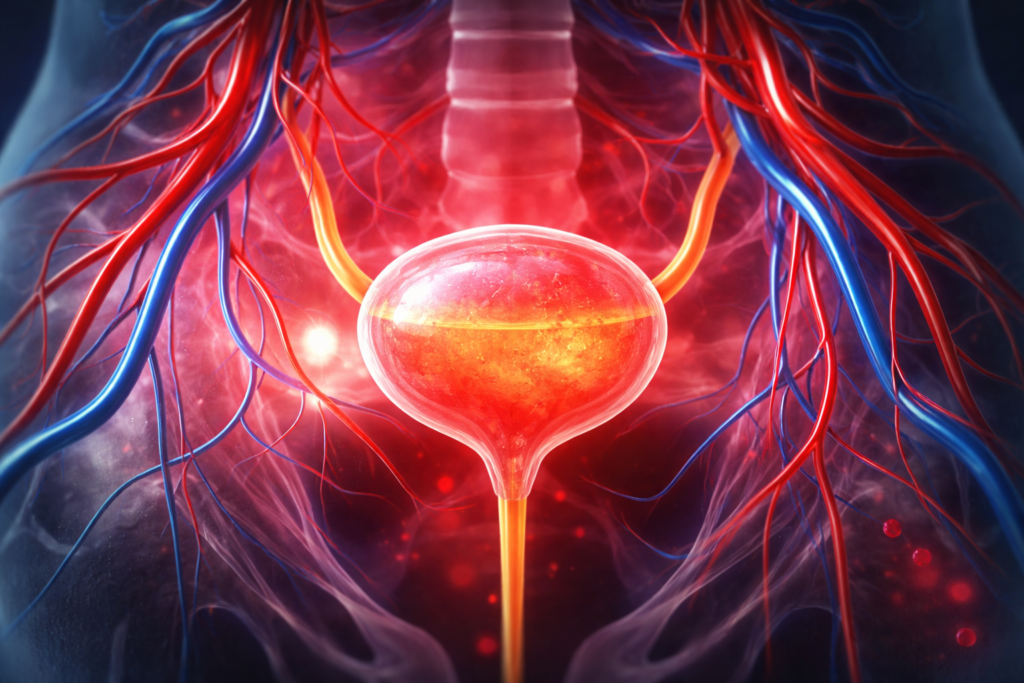
Urinary health is often associated with hydration, infections, or kidney function. However, an equally important but less discussed factor is oxygen supply to the bladder. Since oxygen is delivered through blood, proper circulation plays a key role in maintaining bladder health and function.
2. Why Oxygen Matters for the Bladder
The bladder is a muscular organ that stores and expels urine. Like all body tissues, it requires a constant supply of oxygen and nutrients to function efficiently. Oxygen supports cellular activities, tissue repair, and overall bladder strength.
When blood flow is adequate, the bladder lining and muscles remain healthy. This helps maintain normal storage capacity and proper emptying.
3. The Role of Blood Flow
Blood vessels surrounding the bladder are responsible for delivering oxygen. Any disruption in circulation can affect how well the bladder performs. Conditions that reduce blood flow include:
- Aging
- Diabetes
- Cardiovascular diseases
- Smoking
Reduced circulation can lead to a condition sometimes called bladder ischemia, where the bladder does not receive enough oxygen.
4. Effects of Poor Oxygen Supply
When oxygen levels drop, several problems may arise:
a. Muscle Dysfunction
Bladder muscles need energy to contract and relax. Low oxygen reduces energy production, leading to weak or uncoordinated contractions.
b. Increased Urinary Symptoms
People may experience:
- Frequent urination
- Sudden urgency
- Leakage or incontinence
c. Tissue Damage
Chronic lack of oxygen can cause inflammation and gradual damage to bladder tissues.
5. Impact on Nerve Function
The bladder communicates with the brain through nerves to signal fullness and the need to urinate. Poor blood flow can disrupt these signals, causing confusion between the bladder and brain. This may result in urgency even when the bladder is not full.
6. Improving Blood Flow for Better Urinary Health
Enhancing circulation can help maintain proper oxygen delivery to the bladder. Useful strategies include:
- Regular Exercise: Promotes healthy blood circulation
- Balanced Diet: Supports vascular health and reduces inflammation
- Avoiding Smoking: Prevents damage to blood vessels
- Managing Chronic Conditions: Proper control of diabetes and blood pressure
7. Role of Hydration
While hydration does not directly increase oxygen levels, it supports overall circulation and prevents irritation of the bladder lining. Drinking adequate water helps maintain smooth urinary function.
8. Conclusion
Oxygen and blood flow are essential for a healthy bladder. Poor circulation can lead to various urinary problems, from mild discomfort to more serious dysfunction. By adopting habits that support vascular health, individuals can protect both their bladder and overall well-being.