
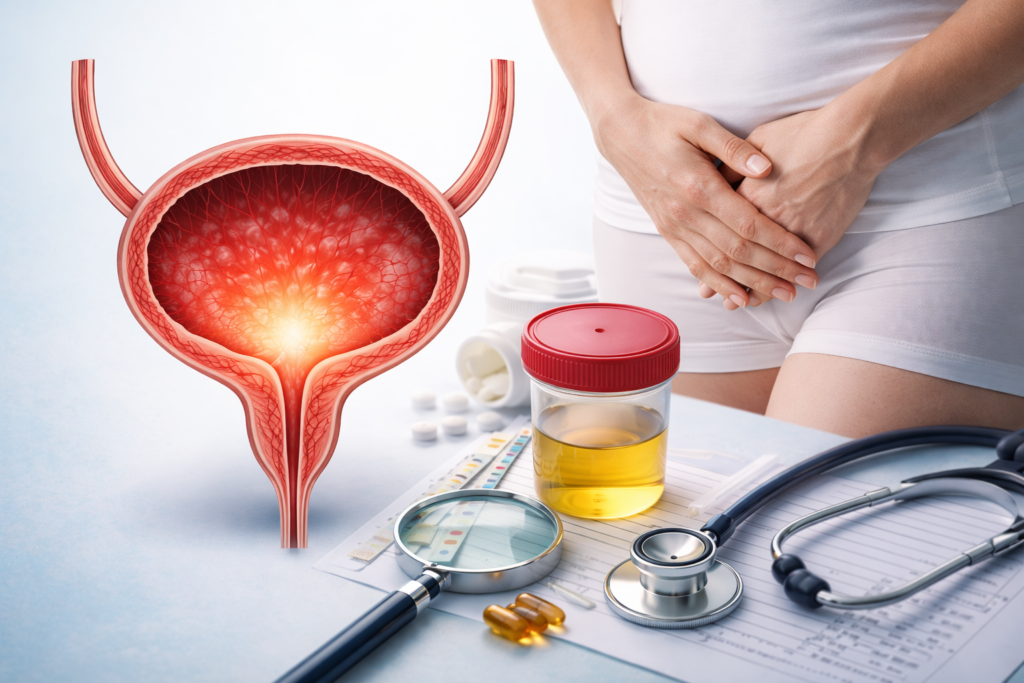
When people think of inflammation, they usually imagine pain, burning, swelling, or obvious discomfort. However, not all inflammation announces itself loudly. In some cases, especially in the urinary system, inflammation can be subtle, persistent, and easy to overlook. One such condition is low-grade bladder inflammation—a quiet problem that can still have a meaningful impact on urinary health and overall well-being.
What Is Low-Grade Bladder Inflammation?
Low-grade bladder inflammation refers to a chronic, mild inflammatory response in the bladder lining that does not cause severe or acute symptoms. Unlike a typical urinary tract infection (UTI), which often presents with pain, burning during urination, or fever, low-grade inflammation may persist for weeks or months with minimal or vague symptoms.
In some individuals, it may not be felt at all, while in others it may cause mild, intermittent urinary changes that are easy to dismiss.
Why Can Bladder Inflammation Go Unnoticed?
The bladder has a remarkable ability to adapt. When inflammation is mild and develops gradually, the body may normalize the sensations, making them less noticeable. Additionally:
- There may be no active infection
- Routine urine tests can appear normal
- Symptoms may come and go
- Discomfort may be mild rather than painful
As a result, many people live with low-grade bladder inflammation without realizing it.
Common Causes
Low-grade bladder inflammation can develop from multiple factors, including:
1. Recurrent or Past Infections
Even after a UTI clears, residual inflammation can remain in the bladder lining.
2. Bladder Irritants
Caffeine, alcohol, artificial sweeteners, spicy foods, and acidic beverages can irritate the bladder over time.
3. Chronic Stress
Stress affects immune and inflammatory responses and can worsen bladder sensitivity.
4. Pelvic Floor Dysfunction
Tight or poorly coordinated pelvic floor muscles can contribute to bladder irritation.
5. Interstitial Cystitis (IC) or Painful Bladder Syndrome
Low-grade inflammation is often an early or mild feature of these chronic bladder conditions.
6. Hormonal Changes
Reduced estrogen levels, especially during menopause, can make the bladder lining more vulnerable to inflammation.
Subtle Symptoms to Watch For
Although the inflammation may not be obvious, some people experience mild or intermittent symptoms such as:
- Increased urinary frequency without clear infection
- Occasional urgency
- Sensation of incomplete bladder emptying
- Mild pelvic pressure
- Discomfort that worsens with certain foods or stress
- Recurrent “UTI-like” symptoms with negative urine cultures
Because these symptoms are nonspecific, they are often attributed to lifestyle factors or ignored altogether.
Why Low-Grade Bladder Inflammation Matters
Even when symptoms are mild, persistent inflammation can:
- Increase bladder sensitivity over time
- Contribute to chronic urinary conditions
- Reduce quality of life
- Lead to repeated medical visits and unnecessary antibiotic use
- Progress into more painful bladder disorders if left unmanaged
Early recognition allows for gentler, more effective interventions.
How Is It Diagnosed?
Diagnosis is often based on a combination of:
- Detailed symptom history
- Urine tests to rule out infection
- Bladder diaries tracking frequency and triggers
- Imaging or cystoscopy in select cases
- Exclusion of other pelvic or urinary conditions
Because routine tests may appear normal, diagnosis relies heavily on clinical judgment.
Management and Treatment Options
Treatment focuses on reducing irritation and calming inflammation rather than aggressive medical therapy.
Lifestyle Adjustments
- Identify and limit bladder-irritating foods and drinks
- Stay well hydrated
- Practice stress-management techniques
Bladder Training
Gradually increasing the time between voids can reduce urgency and sensitivity.
Pelvic Floor Therapy
Specialized physiotherapy can help if muscle dysfunction is contributing to symptoms.
Medications and Supplements
In some cases, doctors may recommend anti-inflammatory agents, bladder-protective medications, or supplements that support the bladder lining.
Treating Underlying Conditions
Addressing hormonal imbalances, recurrent infections, or chronic stress is essential for long-term improvement.
When to Seek Medical Advice
If you experience ongoing urinary changes, repeated “UTI-like” symptoms with negative tests, or bladder discomfort that persists for weeks, it is important to consult a healthcare professional. Early evaluation can prevent progression and unnecessary treatments.
Final Thoughts
Low-grade bladder inflammation may be something you cannot clearly feel, but that does not mean it is insignificant. Subtle, chronic inflammation can quietly affect bladder function and comfort over time. Paying attention to small changes, understanding potential triggers, and seeking timely care can make a meaningful difference in long-term urinary health.
Awareness is the first step toward relief—even when the inflammation is silent