
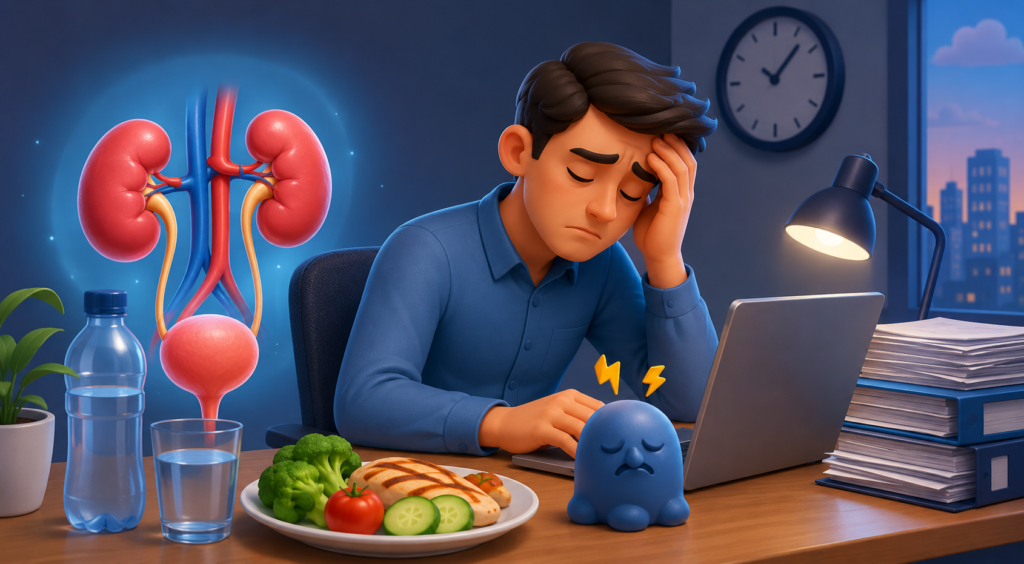
Your Daily Routine Could Be Impacting Your Bladder More Than You Think
In today’s fast-paced world, many people skip meals, work long hours, and deal with constant stress. While these habits are often linked to fatigue or digestive issues, they can also take a toll on your urinary health. Your kidneys and bladder rely on proper hydration, balanced nutrition, and a healthy routine to function efficiently. Ignoring these needs may increase the risk of urinary tract infections (UTIs), kidney stones, overactive bladder, and other urinary problems.
1. Skipping Meals Can Affect Kidney Function
Missing meals may seem harmless, but it can lead to dehydration and nutritional deficiencies. When your body doesn’t receive enough fluids and essential nutrients, urine becomes more concentrated. This creates an environment where minerals can crystallize, increasing the risk of kidney stones.
Irregular eating habits may also affect blood sugar levels, especially in people with diabetes, which can further increase the likelihood of urinary infections and kidney-related complications.
2. Long Work Hours Often Mean Delaying Bathroom Breaks
Many professionals ignore the urge to urinate because of meetings, deadlines, or busy schedules. Holding urine for long periods allows bacteria to multiply in the bladder, raising the risk of urinary tract infections.
Additionally, people working long hours often forget to drink enough water. Poor hydration reduces urine output, making it difficult for the urinary system to flush out bacteria and waste effectively. Over time, this habit can contribute to bladder irritation and kidney stone formation.
3. Stress Can Worsen Urinary Symptoms
Chronic stress affects the entire body, including the urinary system. High stress levels may increase muscle tension around the bladder, leading to symptoms such as frequent urination, urgency, or discomfort while urinating.
Stress also weakens the immune system, making it harder for the body to fight infections. For individuals with existing bladder conditions such as overactive bladder or interstitial cystitis, emotional stress may trigger symptom flare-ups.
Simple Habits to Protect Your Urinary Health
Small lifestyle changes can make a significant difference:
- Drink 2–3 litres of water daily unless advised otherwise by your doctor.
- Avoid skipping meals and maintain a balanced diet.
- Take regular bathroom breaks and don’t hold urine for extended periods.
- Limit excessive caffeine and sugary beverages.
- Manage stress through exercise, meditation, adequate sleep, or relaxation techniques.
- Schedule routine health check-ups, especially if you have diabetes or high blood pressure.
When Should You See a Urologist?
If you frequently experience burning during urination, blood in the urine, recurrent UTIs, difficulty passing urine, or persistent urinary urgency, don’t ignore these symptoms. Early evaluation can help identify the underlying cause and prevent more serious kidney or bladder problems.
Takeaway
Your urinary system reflects your daily lifestyle choices. Skipping meals, working long hours, and living with constant stress may seem like normal parts of modern life, but they can quietly affect your kidney and bladder health. By staying hydrated, eating regular nutritious meals, managing stress, and listening to your body’s signals, you can help keep your urinary system healthy and functioning at its best.