
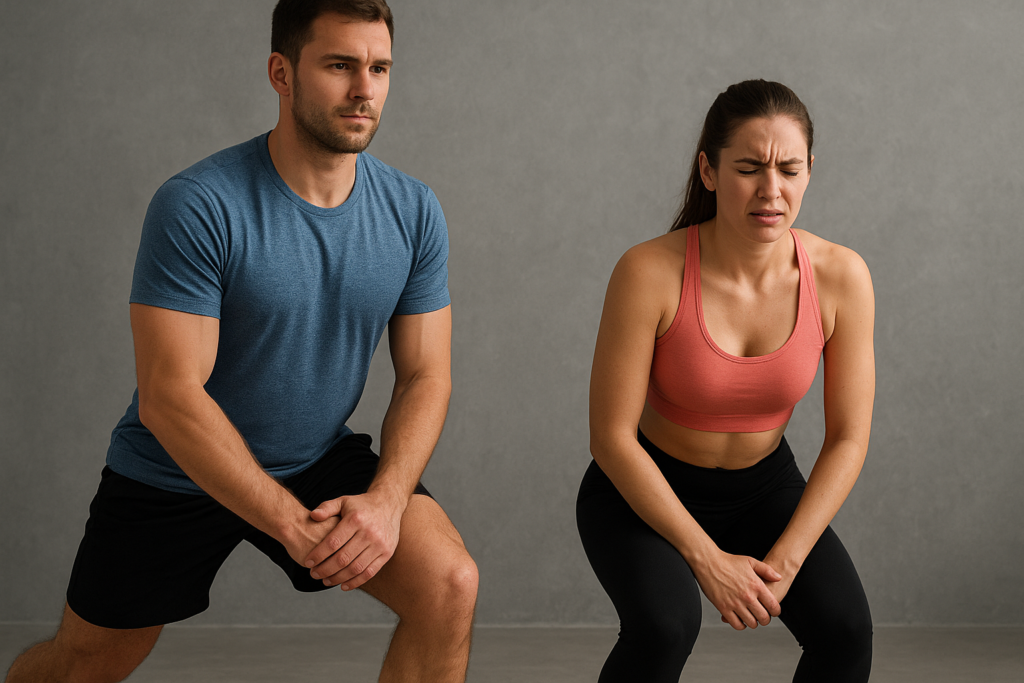
Exercise is widely celebrated for improving physical and mental health—but for many men and women, certain types of workouts can leave them feeling frustrated due to unexpected bladder leaks or urges. Bladder control challenges during exercise are more common than people realize, and understanding why they happen can help you stay active with confidence.
This blog explores how exercise affects bladder function, the differences between men and women, and what you can do to regain control.
Why Exercise Can Affect Bladder Control
Bladder control depends on the coordinated function of the pelvic floor muscles, bladder, urethra, and nervous system. During high-impact or strenuous activities, the pressure placed on the pelvic area increases. If the pelvic floor is weak, overactive, or imbalanced, urine leakage or urgency can occur.
Common exercise-related bladder issues include:
- Stress urinary incontinence (SUI) – leakage caused by increased abdominal pressure (jumping, running, lifting).
- Urge urinary incontinence (UUI) – a sudden, intense urge to urinate, often triggered by movement.
- Mixed incontinence – a combination of both.
How Exercise Impacts Bladder Control in Women
1. Pelvic Floor Weakness
Women are more prone to pelvic floor weakness due to pregnancy, childbirth, and hormonal changes. Activities that place repeated strain on the pelvic floor—such as running, HIIT, CrossFit, and heavy lifting—can exacerbate leakage.
2. High-Impact Sports Increase Pressure
Sports like volleyball, gymnastics, and aerobics significantly increase pressure on the bladder and pelvic muscles. Studies show that female athletes experience urinary leakage at rates higher than the general population.
3. Hormonal Influence
Estrogen helps maintain pelvic tissue strength. As estrogen levels drop during perimenopause and menopause, bladder control issues can become more noticeable, especially during exercise.
How Exercise Impacts Bladder Control in Men
1. Prostate-Related Changes
The prostate plays a role in male urinary function. After prostate surgery (such as prostatectomy), many men experience weakened sphincter control, making exercise-induced leakage more likely.
2. Overactive Pelvic Floor Muscles
Men may develop pelvic floor tension from activities like cycling, weightlifting, or high-intensity training. This can cause urgency, frequency, and pelvic discomfort.
3. Core and Breathing Mechanics
Improper breathing or excessive abdominal bracing during workouts increases pressure downward onto the bladder. Men who lift heavy weights without coordinated pelvic floor engagement may experience leakage.
Which Exercises Commonly Trigger Bladder Problems?
- Running or jogging
- Jumping jacks, box jumps, skipping
- Heavy weightlifting (especially squats and deadlifts)
- High-intensity interval training
- Core exercises that use intense bracing (crunches, planks)
- Cycling (can irritate pelvic nerves)
Exercises That Support Bladder Control
Strengthening and relaxing the pelvic floor is key, and the right exercises can help restore balance.
1. Pelvic Floor Strengthening (Kegels)
Effective for both men and women when done correctly. Strength helps prevent stress incontinence.
2. Pelvic Floor Relaxation and Stretching
Helpful when muscles are too tight, which can cause urgency and discomfort.
3. Low-Impact Workouts
These reduce pressure on the bladder:
- Walking
- Swimming
- Pilates
- Yoga
- Elliptical training
4. Core Training with Breath Coordination
Learning to exhale during the effort phase helps distribute pressure safely.
Practical Tips to Stay Active Without Leaks
- Empty your bladder before workouts.
- Avoid overhydrating right before exercising.
- Strengthen your pelvic floor 3–4 times a week.
- Use proper breathing techniques during exertion.
- Reduce intensity temporarily if symptoms worsen.
- Consider bladder-friendly clothing or pads if needed.
- Work with a pelvic floor physical therapist for personalized guidance.
When to Seek Professional Help
If bladder leakage or urgency persists, worsens, or affects your daily life, medical guidance can make a significant difference. Urologists and physiotherapists can identify underlying causes and recommend personalized treatment.
Final Thoughts
Bladder challenges during exercise can feel embarrassing, but they are incredibly common and highly treatable. The goal is not to give up fitness but to understand your body’s needs and make adjustments that support both your workout and your bladder health. With the right approach, you can move from feeling frustrated to confident and in control.