
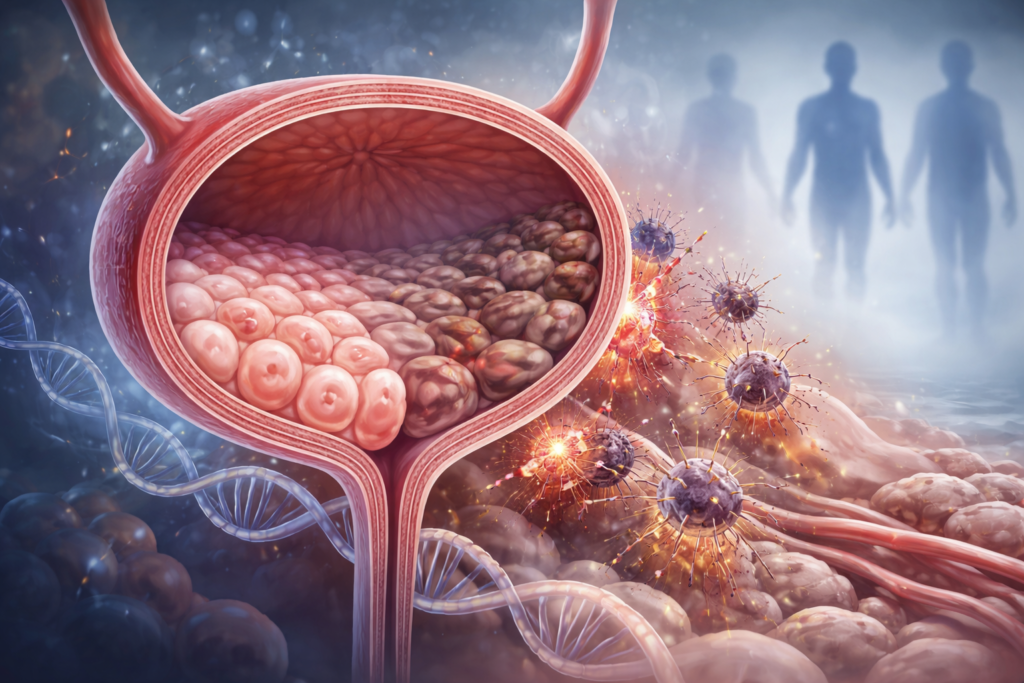
The concept of “cellular fatigue” often brings to mind muscles tiring after repeated use, but can the same idea apply to internal organs like the bladder? More specifically, can bladder cells wear out over time due to constant activity? While the term may sound intuitive, the biology behind it is more nuanced.
The bladder is a dynamic organ responsible for storing and expelling urine. Its inner lining is made up of specialized cells called urothelial cells, supported by layers of muscle known as the detrusor muscle. These structures work together seamlessly, expanding as the bladder fills and contracting during urination. Unlike skeletal muscles that visibly fatigue after exertion, bladder tissues are designed for continuous, repetitive function throughout a person’s life.
However, this does not mean bladder cells are immune to aging or damage. Over time, like all cells in the body, bladder cells undergo natural wear and tear. Aging can lead to reduced elasticity, slower cellular regeneration, and changes in nerve signaling. These factors may contribute to common urinary issues such as increased frequency, urgency, or incomplete emptying.
The idea of “cellular fatigue” in the bladder is better understood as a gradual decline in function rather than acute exhaustion. For example, chronic overdistension—regularly holding urine for long periods—can strain the bladder muscle. Similarly, repeated infections, inflammation, or conditions like overactive bladder can alter the normal behavior of bladder cells and tissues.
Another important factor is oxidative stress. Over time, the accumulation of free radicals can damage cellular components, including those in the bladder. This can impair the cells’ ability to repair themselves efficiently, contributing to functional decline. Lifestyle habits such as poor hydration, smoking, and certain dietary patterns may accelerate this process.
Neurological control also plays a key role. The bladder relies on a complex network of nerves to signal when it is full and when to empty. With age or due to neurological conditions, these signals can become less precise, leading to symptoms that may feel like the bladder is “tired” or not functioning properly.
Despite these changes, the bladder is remarkably resilient. It does not simply “wear out” in the way a mechanical object might. Instead, its performance reflects a combination of cellular health, muscle integrity, and nerve coordination.
Maintaining bladder health involves simple but effective strategies: staying well-hydrated, avoiding excessive caffeine and alcohol, practicing regular voiding habits, and addressing infections promptly. Pelvic floor exercises can also help support bladder function, especially with aging.
In conclusion, while bladder cells do not experience fatigue in the traditional sense, they are subject to gradual changes over time. Understanding these changes helps shift the focus from the idea of “wearing out” to maintaining long-term cellular and functional health.