
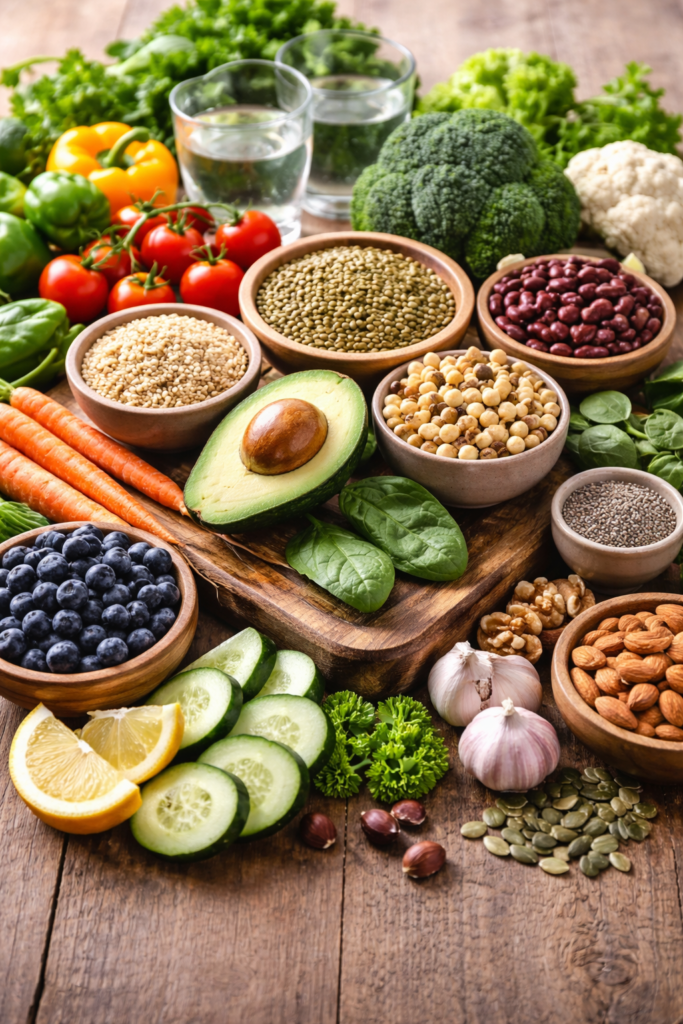
In recent years, plant-based diets have gained attention for their potential benefits on heart health, weight management, and diabetes prevention. Another area of growing interest is how these diets may affect bladder and kidney health. While no single diet is a cure-all, research suggests that eating more plant-based foods can support urinary tract health and reduce the risk of certain kidney-related problems.
Understanding Kidney and Bladder Health
The kidneys play a crucial role in filtering waste, balancing fluids, and regulating blood pressure. The bladder stores urine and depends on healthy muscles and tissues to function properly. Diet influences both organs through hydration, mineral balance, inflammation, and the workload placed on the kidneys during waste filtration.
Poor dietary habits, such as excessive intake of sodium, animal protein, and processed foods, are associated with kidney stones, chronic kidney disease (CKD), and bladder irritation. This is where plant-based diets may offer advantages.
How Plant-Based Diets Support Kidney Health
Plant-based diets emphasize fruits, vegetables, whole grains, legumes, nuts, and seeds. These foods are naturally lower in sodium and saturated fat and higher in fiber, antioxidants, and beneficial plant compounds.
One key benefit is reduced acid load. Animal proteins tend to produce more acid during digestion, which can strain the kidneys over time. Plant proteins generate less acid, helping maintain a healthier acid-base balance and potentially slowing the progression of kidney disease.
Additionally, plant-based diets are linked to better blood pressure and blood sugar control—two major factors in kidney damage. High blood pressure and diabetes are leading causes of chronic kidney disease, so dietary patterns that improve these conditions indirectly protect kidney function.
Research has also shown that people who consume more plant-based foods may have a lower risk of kidney stones. Many plant foods increase urinary citrate, a compound that helps prevent stone formation.
Benefits for Bladder Health
Bladder health is closely tied to inflammation and irritation of the urinary tract. Plant-based diets are rich in anti-inflammatory compounds, which may help reduce bladder irritation and discomfort.
High fiber intake supports gut health, which plays a role in urinary health as well. Constipation can put pressure on the bladder and worsen urinary symptoms; fiber-rich plant foods help prevent this issue.
Hydration is another important factor. Many fruits and vegetables have high water content, contributing to overall fluid intake and promoting regular urine flow. This helps flush bacteria from the urinary tract, potentially lowering the risk of urinary tract infections.
Considerations and Balance
While plant-based diets offer many benefits, balance is important. Some plant foods are high in potassium or oxalates, which may need to be monitored by individuals with advanced kidney disease. For most healthy people, however, these foods are not harmful and are part of a nutritious diet.
It is also not necessary to be strictly vegan or vegetarian to see benefits. Even shifting toward a more plant-forward diet—sometimes called a “plant-predominant” diet—can support bladder and kidney health.
Conclusion
Plant-based diets can be beneficial for both bladder and kidney health by reducing inflammation, lowering acid load, improving blood pressure and blood sugar control, and supporting hydration. While individual needs vary, incorporating more plant-based foods into daily meals is a practical and evidence-supported way to promote long-term urinary and kidney wellness. As always, those with existing kidney conditions should consult a healthcare professional before making major dietary changes.